
Nail care / Published 2026-11-24
How to Fix Yellow Stained Nails
Yellow stained nails? Fix them at home with lemon, baking soda, whitening toothpaste and diluted peroxide — plus how to tell a stain from fungus.
 Original Nail Art Inspo image
Yellow nails are usually not a health problem — they are a stain. Dark and red polishes leave pigment behind in the nail plate, smoking stains nails the way it stains teeth, and gel or acrylic can leave a yellow tint once removed. The stain sits in the top layers of the nail, which means it can be faded at home with gentle, regular treatments.
This guide explains how to fix yellow stained nails step by step: what causes the yellowing, how to tell a harmless stain from a fungal infection that needs a doctor, the home whitening methods that actually work — lemon and baking soda, whitening toothpaste, diluted hydrogen peroxide, gentle buffing — and the habits that stop stains coming back.
At a glance: fix yellow stained nails
| Problem | Do this | Why it works |
|---|---|---|
| Dark polish stains | Lemon and baking soda paste, 2–3 times a week | Lifts surface pigment a little at a time |
| Yellow after gel or acrylic | Rest, oil, gentle buffing, let it grow out | New growth replaces the stained nail |
| Smoking stains | Whitening toothpaste scrub daily | Mild abrasives polish the stain away slowly |
| Deep, stubborn yellow | Diluted peroxide soak, once a week | Oxidises pigment the paste cannot reach |
| Rough, stained surface | Buff very lightly, then oil | A smooth surface reflects light better |
| No base coat used | Always use a base coat next time | Stops pigment reaching the nail at all |
| Thick, crumbling, painful nail | See a doctor — this is not a stain | Infection needs treatment, not whitening |
What causes yellow nails
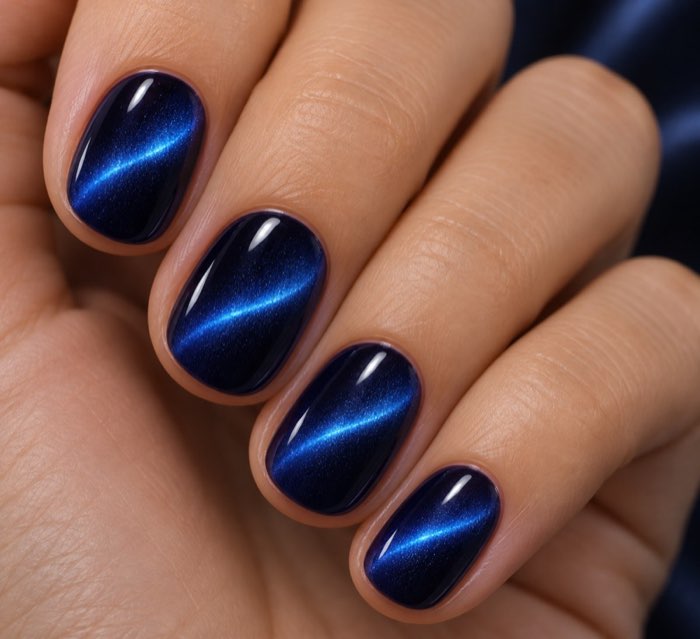
Yellow nails usually have a simple cause: colour that has soaked into the nail plate. Dark and red polishes are the worst offenders — their pigments sink into the porous keratin, especially when the polish is worn for two weeks or more without a base coat. Smoking stains nails the same way nicotine stains teeth, and gel and acrylic can leave a yellow tint behind when they are removed, particularly if they were picked or peeled off.
Ageing plays a part too: nails naturally yellow a little as they get older, and frequent use of self-tanner or hair dye can stain the nails as well. The important thing is that most yellow nails are surface stains, not a health problem — but a yellow nail that is also thick, crumbly, or lifting from the bed is a different story, and the next section explains how to tell. Our guide to removing gel nail polish shows the soak-off method that leaves the least staining behind.
Stain or infection? How to tell the difference
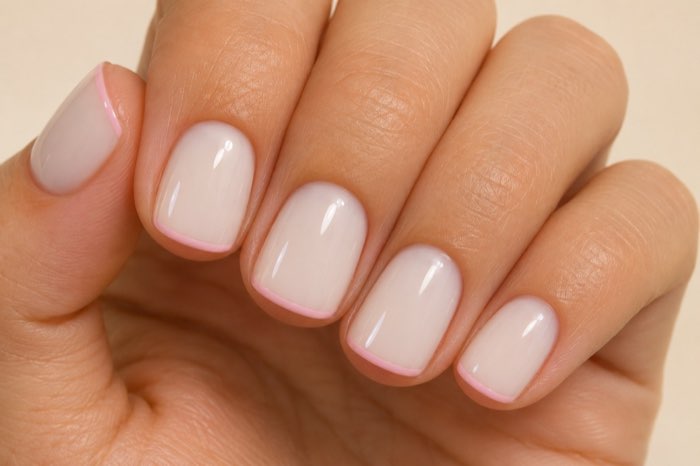
A polish stain colours the whole nail evenly, usually on several nails at once, and the nail itself stays smooth, thin, and firmly attached. It often fades a little when you buff the surface very lightly, and it grows out with the nail over a few weeks. A stain never hurts, and the skin around the nail looks normal.
A fungal infection looks different: the nail thickens, turns crumbly or ragged at the edge, lifts from the nail bed, and the yellow is often patchy or starts at one corner and spreads. It usually affects one or two nails first, not all ten at once. If your nail is thick, crumbling, painful, or lifting — or if whitening treatments make no difference after a month — see a doctor or dermatologist. Whitening a fungal nail does nothing; it needs antifungal treatment.
Lemon juice and baking soda
Lemon juice is a mild natural lightener, and mixed with baking soda it makes a gentle paste that lifts surface stains. Mix one tablespoon of lemon juice with two tablespoons of baking soda to form a thick paste, spread it over the bare nails, and leave it for five to ten minutes — no longer. Rinse with warm water and wash your hands well, then apply cuticle oil or hand cream.
Use this no more than two or three times a week. Lemon juice is acidic, and leaving it on too long or using it every day can dry the nail plate and the skin around it, which makes nails weaker and more likely to stain again. Never use lemon on broken skin or cuticles that are cut or sore — it stings and can irritate. If your skin feels tight or dry afterwards, cut back to once a week.
Whitening toothpaste
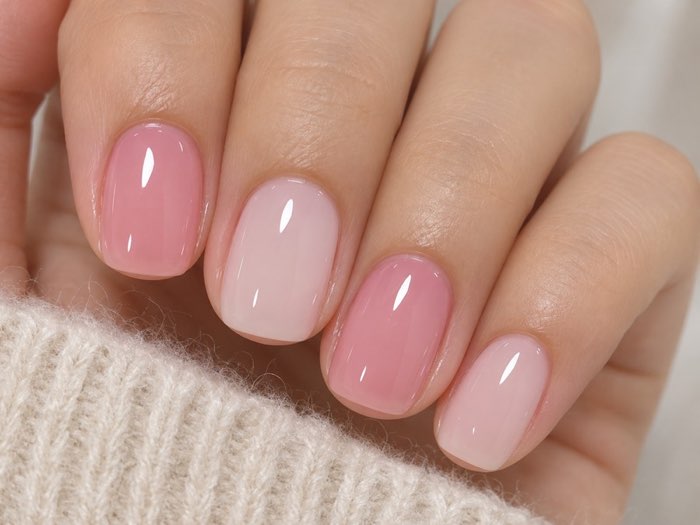
Whitening toothpaste works on nails for the same reason it works on teeth: it contains very mild abrasives and whitening agents that polish away surface stains. Squeeze a pea-sized amount onto each nail, rub it in with an old soft toothbrush or your fingertip for about a minute per nail, and rinse with warm water.
This is one of the gentlest options, so it suits daily use while a stain is fading — but it is also one of the slowest, and it only helps surface stains. It will not fix a stain that has soaked deep into the nail, and it will not help a fungal infection. Choose a plain whitening toothpaste, not a gel or a coloured one, and follow up with oil: even gentle scrubbing dries the nail.
Diluted hydrogen peroxide
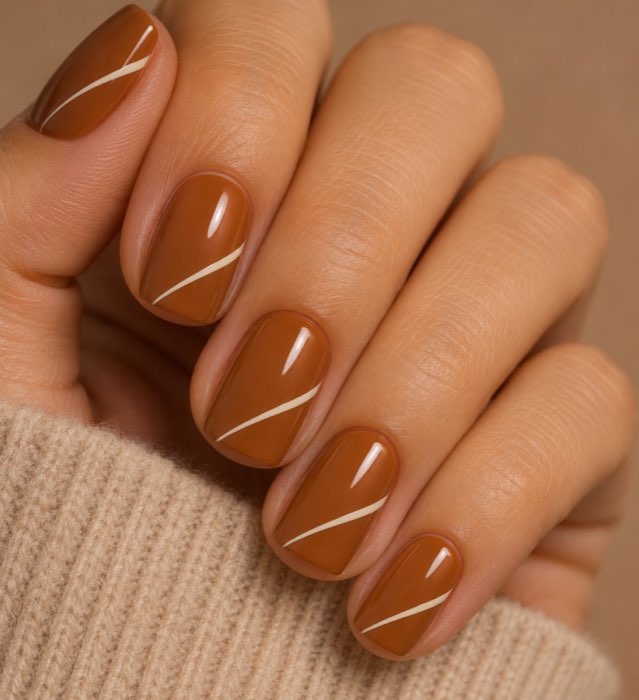
Hydrogen peroxide can lift yellow stains, but only diluted and only briefly. Mix one part 3% hydrogen peroxide (the standard pharmacy strength) with three parts water, soak the fingertips for two to three minutes, then rinse thoroughly and moisturise. Use it at most once a week. Never use a stronger concentration, and never soak for longer than a few minutes — peroxide is an oxidiser, and overuse whitens the skin and dries and weakens the nail.
Skip peroxide entirely if the skin around your nails is cut, sore, or inflamed, and stop straight away if you feel burning or the skin turns white and sore. Do not mix peroxide with lemon juice or vinegar, and never use household bleach on your nails — bleach burns skin and damages the nail plate. If peroxide does not visibly help after three or four weekly soaks, the stain is probably deep, and growing it out is the safer route.
Gentle buffing
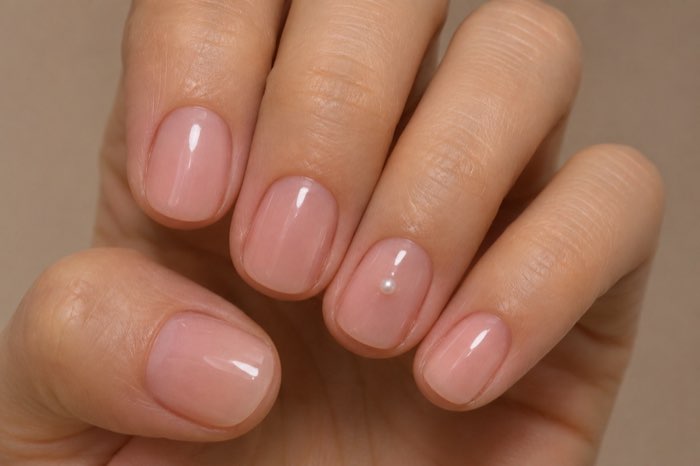
Buffing removes the very top layer of the nail plate, which is exactly where most polish stains sit. Use the finest side of a buffing block, make a few light passes over each nail, and stop as soon as the surface looks even — you should never see dust or feel heat. Follow immediately with cuticle oil, because a freshly buffed nail is dry and absorbs colour faster.
Buff no more than once every two weeks. Over-buffing thins the nail plate, and a thin nail stains more easily, bends more, and breaks more — the opposite of what you want. If your nails are already thin or weak, skip buffing and rely on the paste and soak methods instead. Our guide to strengthening weak nails explains how to rebuild a thin nail plate.
The soaking and scrubbing routine
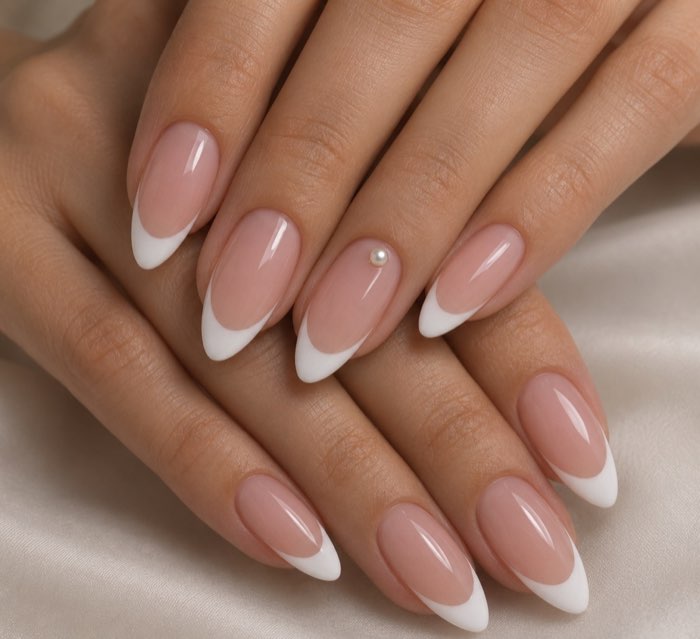
A weekly soak makes every other whitening step work better. Fill a small bowl with warm (not hot) water and a few drops of mild soap, soak your fingertips for five to ten minutes, then scrub each nail gently with a soft nail brush or an old toothbrush. The warm water softens the surface so the brush can lift trapped pigment and dirt from around the cuticle and under the free edge.
Pat your hands dry rather than rubbing, and moisturise while the skin is still slightly damp. This soak also does a quiet second job: it keeps the cuticles soft and healthy, and healthy cuticles protect the new nail as it grows in. Do the soak before the lemon paste or the peroxide step, never after — whitening treatments go on clean, dry nails.
Base coat: the prevention step that matters most
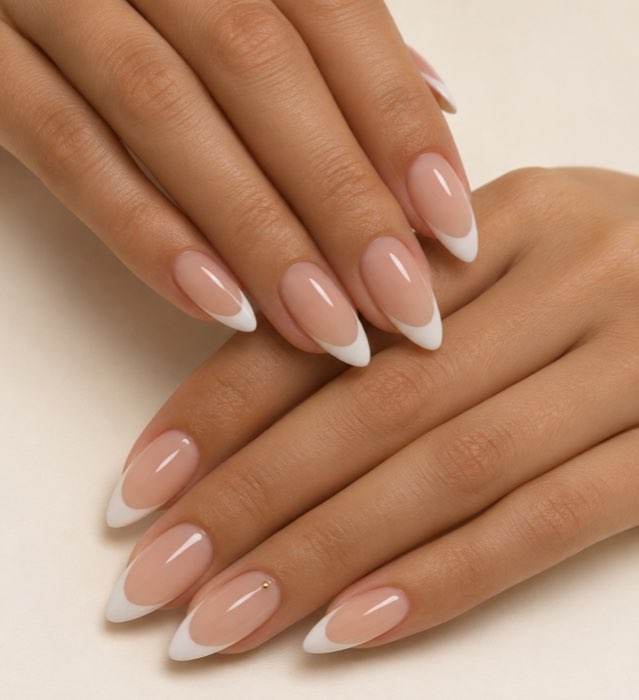
A base coat is a clear barrier between your nail and the colour, and it is the single most effective way to stop yellow stains from happening at all. Apply one thin coat to clean, dry, bare nails, let it dry completely, and only then apply your colour. Two thin coats of colour over a base coat stain far less than one thick coat applied straight onto the nail.
If you wear dark or red polish, a base coat is not optional — and a second coat of base coat under the darkest shades gives extra protection. Reapply the base coat every time you repaint, even if the nails look clean: an old base coat layer wears thin and stops protecting. A ridge-filling base coat also smooths the surface, so colour sits more evenly and is easier to remove.
Choosing lighter colours while nails recover
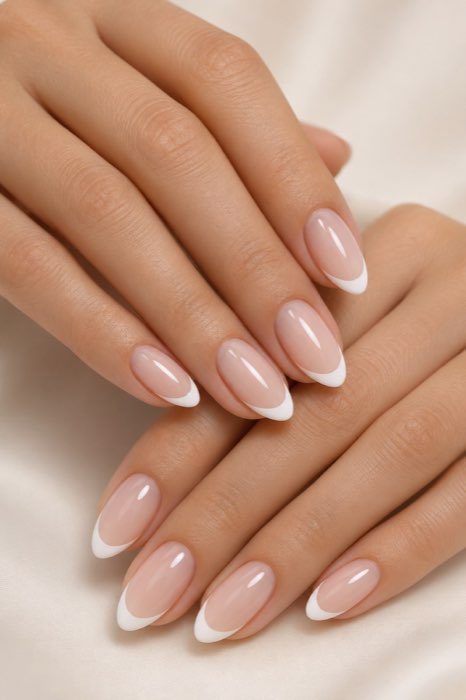
While a stain is growing out, lighter colours are your friend. Pale pinks, milky whites, nudes, and sheer finishes contain far less pigment than deep reds, burgundies, and near-blacks, so they barely stain — and a sheer colour also hides a fading yellow tint instead of drawing attention to it. Our guide to applying nail polish without streaks shows how to get sheer and light colours smooth and even.
If you love dark polish, you do not have to give it up — just wear it with a base coat, keep it on for a week rather than two, and give your nails a few bare days between colours so you can check the nail underneath. The worst combination is dark polish, no base coat, and three weeks of wear: that is the recipe for the deepest stains.
Removing polish the right way
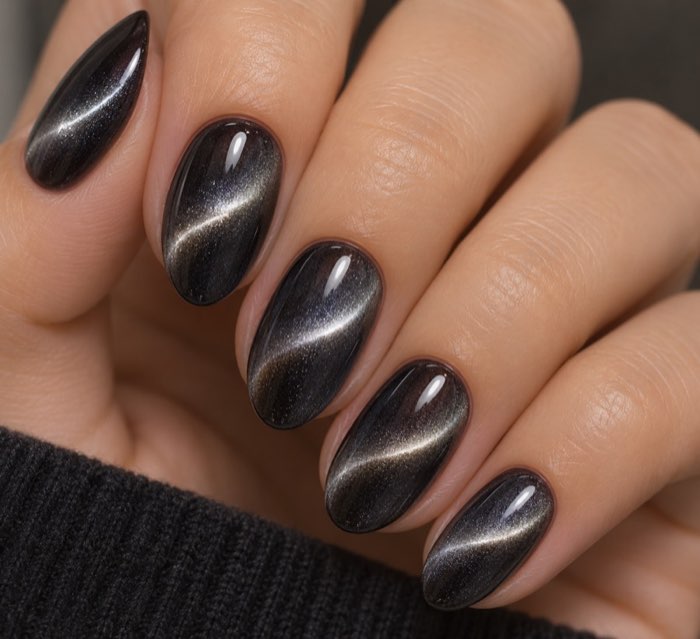
How you remove polish decides how much pigment stays behind. Press a cotton pad soaked in remover onto the nail, hold it for ten to twenty seconds so the polish dissolves, then wipe it away in one smooth motion — do not scrub back and forth, which grinds pigment into the nail plate. Change the pad when it gets dirty instead of spreading dissolved colour over the next nail.
Non-acetone remover is gentler and dries the nail less, though it works more slowly on glitter and dark shades; acetone is faster but more drying, so always oil and moisturise afterwards either way. Never peel or pick polish off: peeling lifts the top layer of the nail plate, and the rough surface that is left behind grabs pigment from the next colour. Our step-by-step guide to removing nail polish covers the soak-and-wipe method in detail.
How long does whitening take?
Surface stains usually fade noticeably within one to two weeks of treating them two or three times a week, and most are gone within a month. Deeper stains — from months of dark polish with no base coat — take longer, because the pigment has soaked further into the nail plate and only the whitening treatments plus new growth can clear them.
Remember that a fingernail only grows about three millimetres a month, so a stain near the cuticle can take three to six months to grow out completely. That is normal, not a sign the treatments are failing. If a stain has not improved at all after four weeks of regular treatment, or if it is spreading, darkening, or the nail is changing shape, stop whitening and see a doctor.
Habits that keep nails bright
Once the yellow is gone, a few habits keep it away: base coat every time, lighter colours most of the time, gloves for cleaning and for hair dye, and a break of a few days between colours so you can see the nail underneath. Keep nails moisturised with cuticle oil — a hydrated nail plate absorbs less pigment than a dry, porous one. Our nail care guide covers the full routine, and our tips for making a manicure last longer keep colour on the nail instead of in it.
The other habit is checking: look at your bare nails once a week, in daylight, before you repaint. A new yellow tint caught early fades in days with a lemon paste; one left under dark polish for a month takes weeks. If you smoke, cutting back helps your nails as much as your teeth — nicotine stains both. Bright nails are mostly a matter of routine, not luck.
Frequently asked questions
Is hydrogen peroxide safe for nails?
Yes, if it is diluted and brief: one part 3% hydrogen peroxide to three parts water, two to three minutes, at most once a week. Never use a stronger concentration or soak longer, and skip it entirely if the skin around your nails is cut, sore, or inflamed. Never use household bleach on nails — it burns skin and damages the nail plate.
Can lemon juice damage my nails?
It can if overused. Lemon juice is acidic, so leaving it on too long or using it every day dries the nail plate and the skin around it, which makes nails weaker and more likely to stain again. Keep it to five to ten minutes, two or three times a week at most, and never use it on broken or sore skin.
Why do my nails turn yellow after dark polish?
Dark and red polishes contain strong pigments that sink into the porous nail plate, especially when the polish is worn for two weeks or more with no base coat underneath. A base coat blocks the pigment, and removing polish properly — soak and wipe, never scrub or peel — leaves far less colour behind.
Can yellow nails be a sign of fungus?
Yes, sometimes. A fungal infection usually thickens the nail, makes it crumbly or ragged at the edge, and lifts it from the nail bed, often starting in one corner of one or two nails. A polish stain colours the nail evenly, keeps it smooth and thin, and fades with whitening. If in doubt, see a doctor.
How do I stop gel polish from staining my nails?
Always use a base coat under gel, do not pick or peel gel off, and soak it off properly instead. Removal is when most gel staining happens: peeling lifts the top layer of the nail plate and leaves a rough surface that grabs pigment. Give nails a few bare days between sets so you can check them.
Will yellow nails go away on their own?
Yes, eventually — a fingernail grows about three millimetres a month, so the stained part grows out in a few months. Whitening treatments speed up the visible improvement to one or two weeks for surface stains, but deep stains still need new growth to clear completely.
When should I see a doctor about yellow nails?
See a doctor if the nail is thick, crumbling, lifting from the bed, or painful; if the yellow is patchy and spreading; if only one or two nails are affected while the rest are normal; or if whitening makes no difference after four weeks. These can be signs of a fungal infection or another condition that whitening cannot fix.
Conclusion
Yellow nails are almost always a stain, not a health problem, and they fade with gentle, regular care: lemon and baking soda two or three times a week, whitening toothpaste in between, diluted peroxide once a week at most, and light buffing every two weeks. The real fix is prevention — a base coat every time, lighter colours most of the time, and proper removal — and if a nail is thick, crumbling, or painful, skip the whitening and see a doctor.
Sources and verification
- FDA: Nail care products — U.S. Food & Drug Administration nail-care guidance.
- FDA: Using cosmetics safely — FDA cosmetic safety guidance.
- American Academy of Dermatology: Healthy nail tips — everyday nail-care guidance.
- NHS: Nail problems — when to seek advice.
Related guides
Affiliate disclosure: Some links below are affiliate links. If you buy through one, Nail Art Inspo may earn a commission at no extra cost to you. That relationship does not change the comparison criteria. As an Amazon Associate, Nail Art Inspo earns from qualifying purchases.