
Nail care / Published 2026-11-08
Nail Care: 20 Practical Tips
A practical nail-care guide for smoother edges, moisturized skin, safer product routines, careful removal, and knowing when to pause.
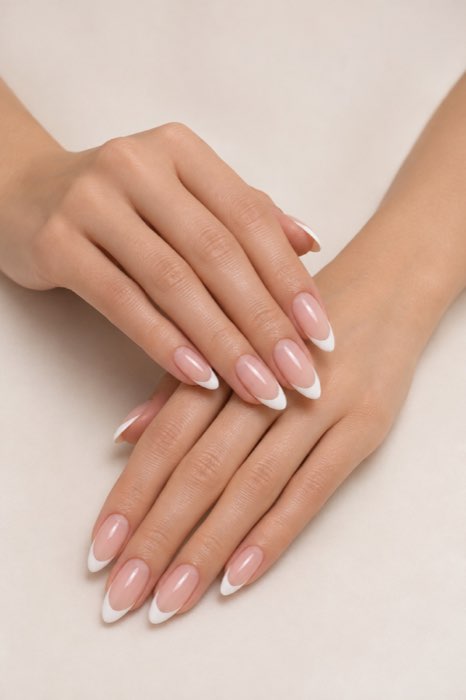 Original Nail Art Inspo image
Nail care is mostly a collection of small, repeatable choices: keep the edge smooth, reduce unnecessary leverage, protect the surrounding skin, and remove products patiently. This guide turns those choices into 20 practical tips for natural nails, regular polish, gel, acrylic, adhesive enhancements, and everyday routines.
These tips are general care guidance, not a diagnosis or a promise that a product will strengthen every nail. Pain, swelling, redness, drainage, blistering, suspected infection, or repeated unexplained changes deserve appropriate professional or medical advice.
THE 20 TIPS
Nail care: 20 practical tips
Start with the visual you came for. Each idea below has its own reference image and a practical explanation to take to your next appointment.
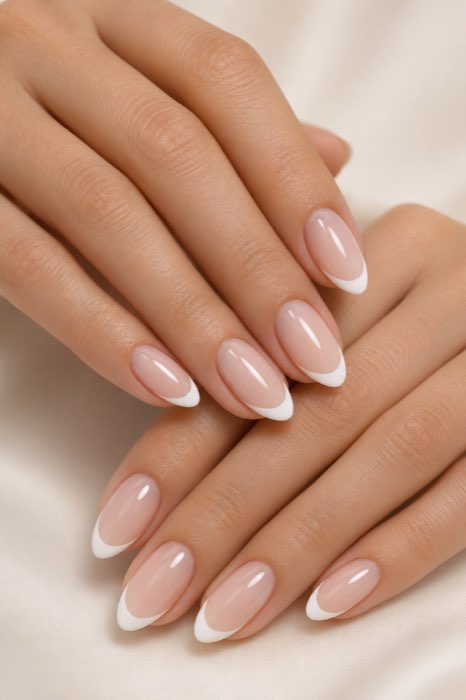 Original Nail Art Inspo image
01
Keep the free edge smooth
Use a fine file to soften snags instead of biting or tearing the edge. File in one direction when possible and stop if the nail feels sore.
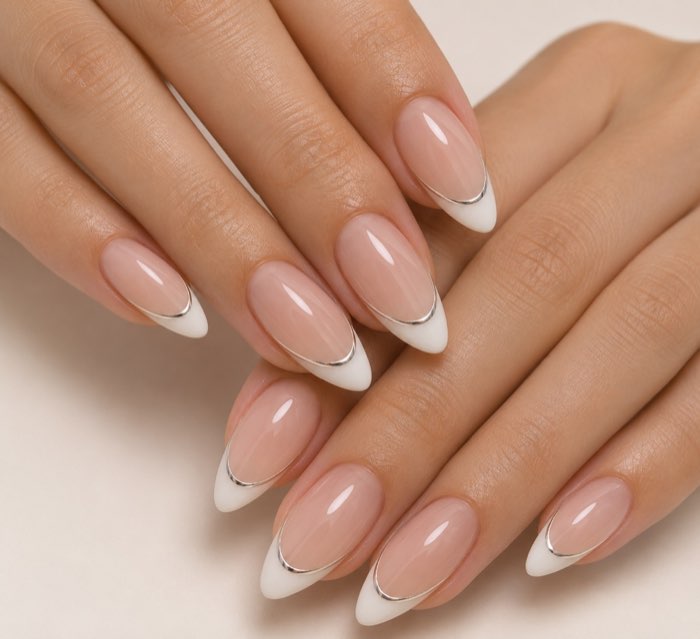 Original Nail Art Inspo image
02
Moisturize the surrounding skin
Cuticle oil or a fragrance-free hand cream can reduce the dry, tight feeling around the nail. Apply after washing and before bed.
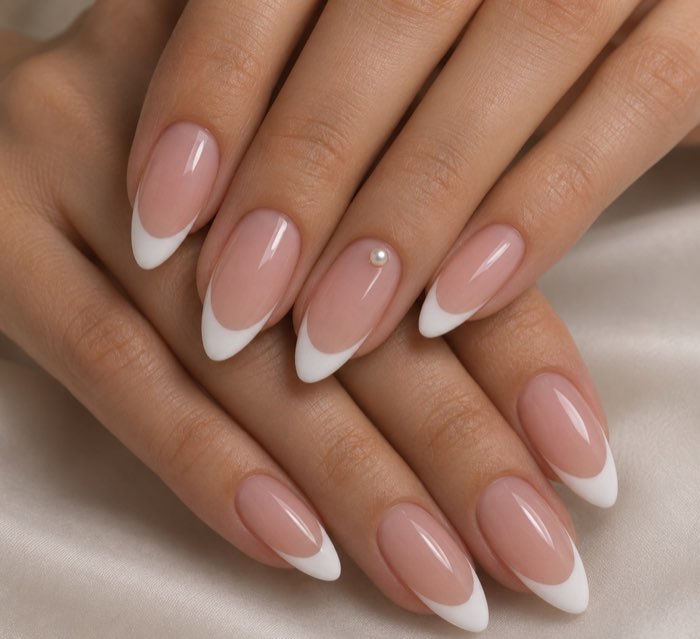 Original Nail Art Inspo image
03
Do not use nails as tools
Opening cans, scraping labels, or prying objects puts leverage on the free edge. Use the correct tool and protect the shape you are trying to grow.
 Original Nail Art Inspo image
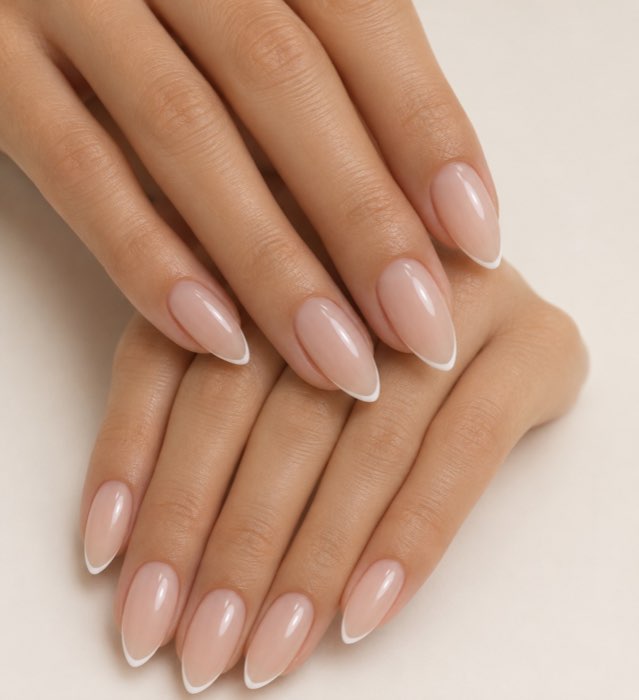
04
Wear gloves for wet chores
Prolonged water, detergent, and cleaning exposure can leave the surrounding skin dry. Gloves create a simple barrier for dishes and household cleaning.
 Original Nail Art Inspo image
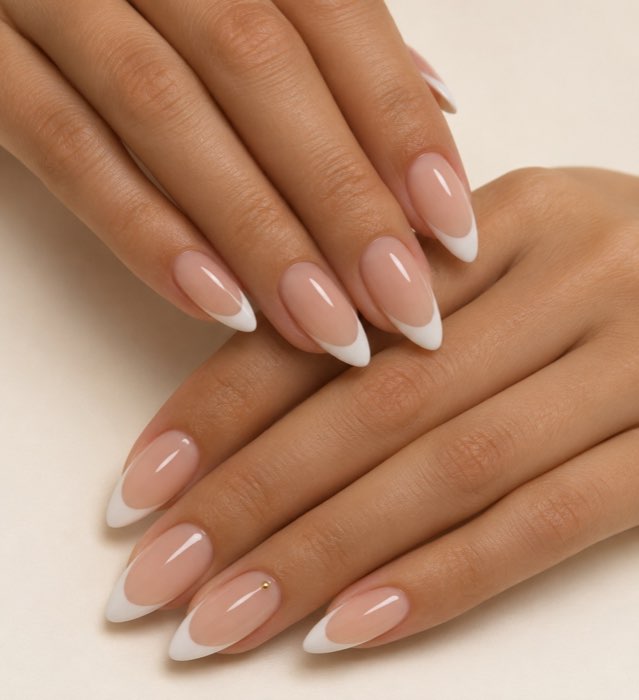
05
Keep tools clean
Nail files, clippers, and cuticle tools should be clean and dry before use. Do not share tools without proper cleaning.
 Original Nail Art Inspo image
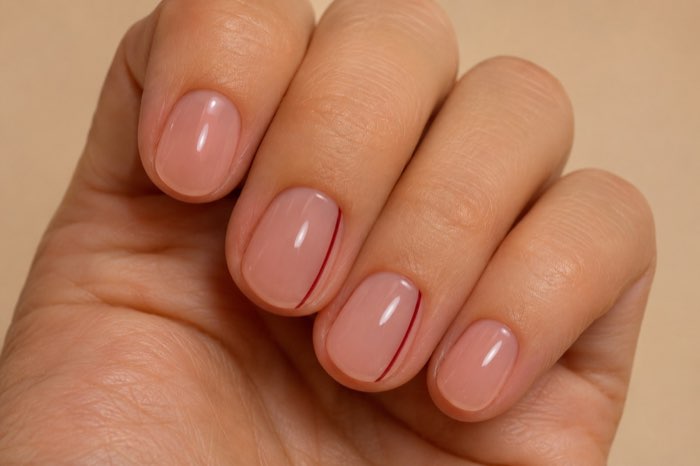
06
Avoid cutting living cuticle tissue
The cuticle area helps seal the space around the nail. Push back only what your professional recommends and avoid cutting into tender skin.
 Original Nail Art Inspo image
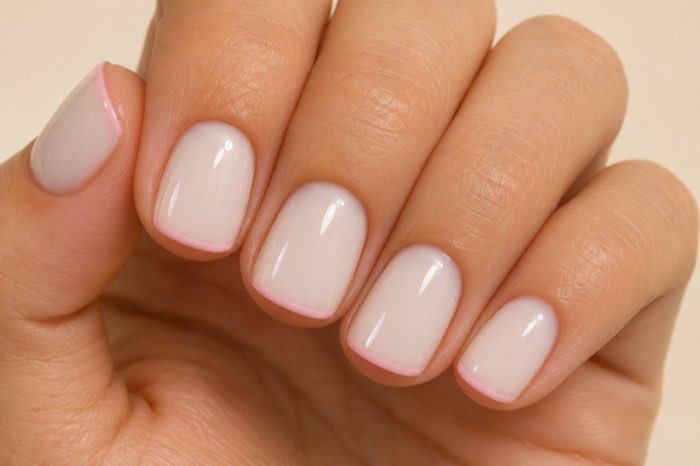
07
Trim to a length you can maintain
A shorter, even edge is often more practical than keeping a length that catches on clothing or breaks during normal tasks.
 Original Nail Art Inspo image
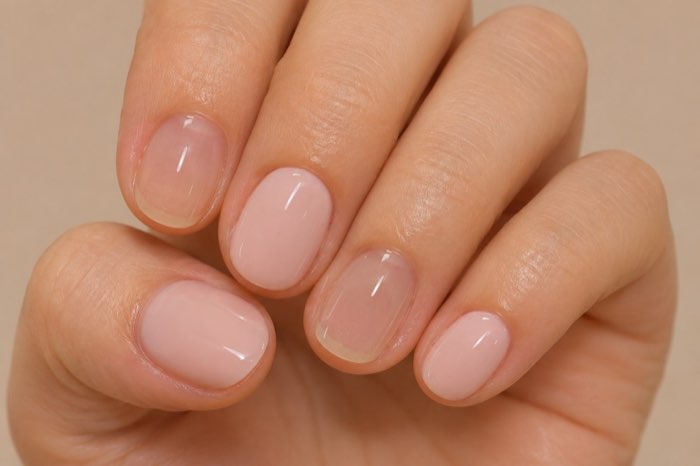
08
Give polish a clean surface
Remove oil and residue before applying polish so the base coat can sit evenly. Follow the product directions rather than over-buffing the natural nail.
 Original Nail Art Inspo image
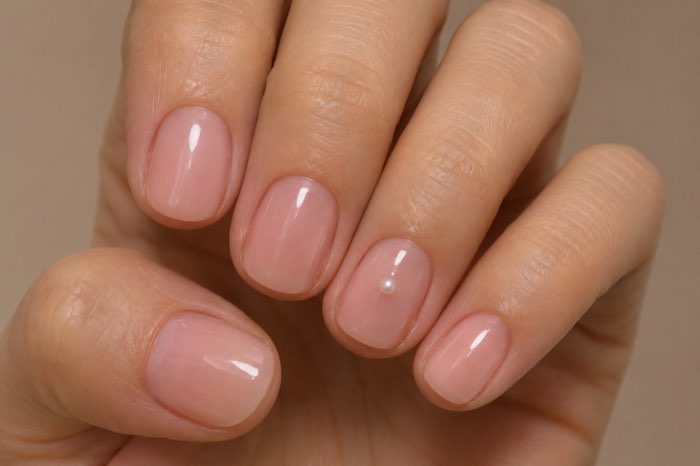
09
Use a base coat
A compatible base coat can improve the surface and help some colors apply more evenly. It does not make every nail problem disappear.
 Original Nail Art Inspo image
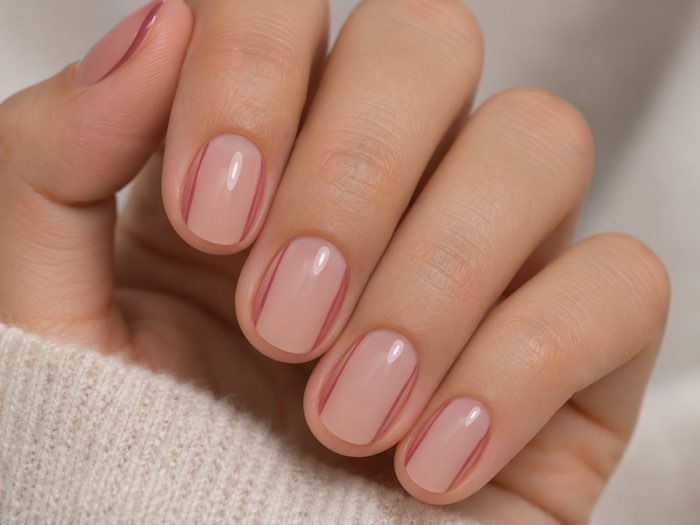
10
Let regular polish dry fully
Thin layers and adequate drying time reduce dents and smudges. Avoid treating touch-dry as fully hardened.
 Original Nail Art Inspo image
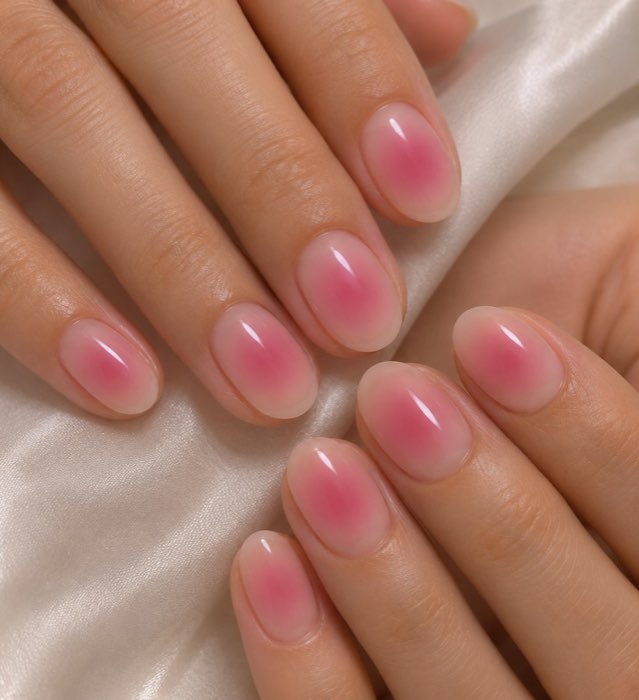
11
Cure gel according to the system
Use the lamp, product sequence, and cure time specified by the gel system. Do not let uncured product touch surrounding skin.
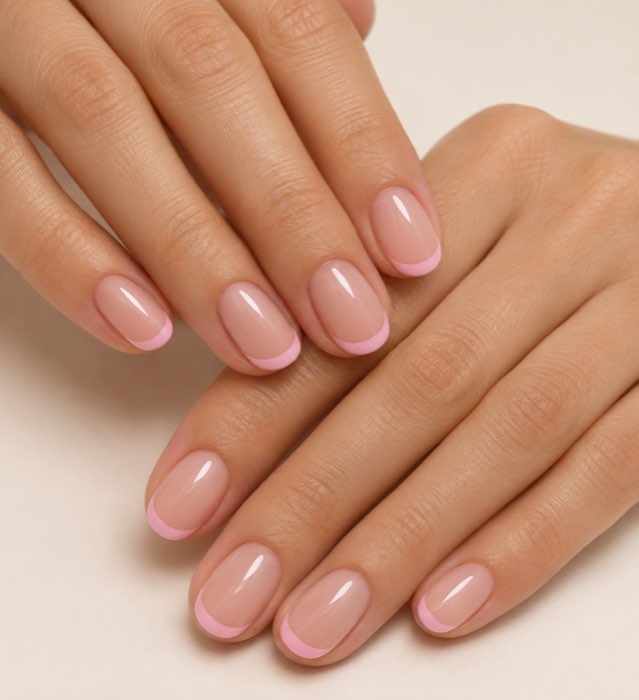 Original Nail Art Inspo image
12
Remove product patiently
Do not peel or pry off cured gel, acrylic, or adhesive enhancements. Use the correct removal process or book a professional removal.
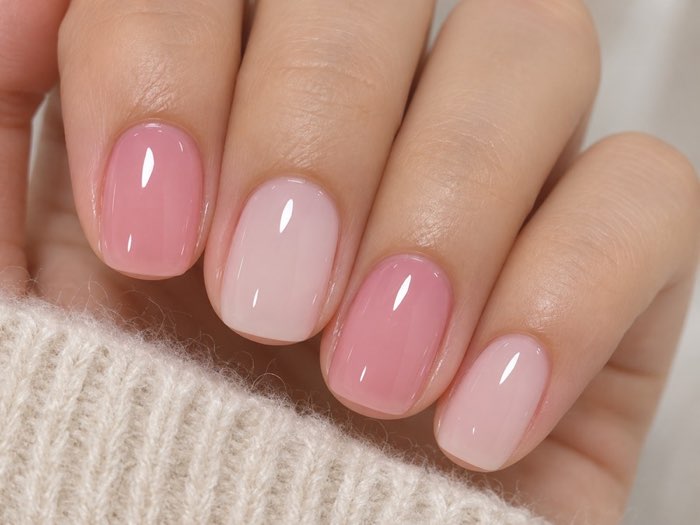 Original Nail Art Inspo image
13
Take lifting seriously
Lifting can let moisture and debris collect underneath. Arrange a safe repair or removal instead of sealing over an unknown gap.
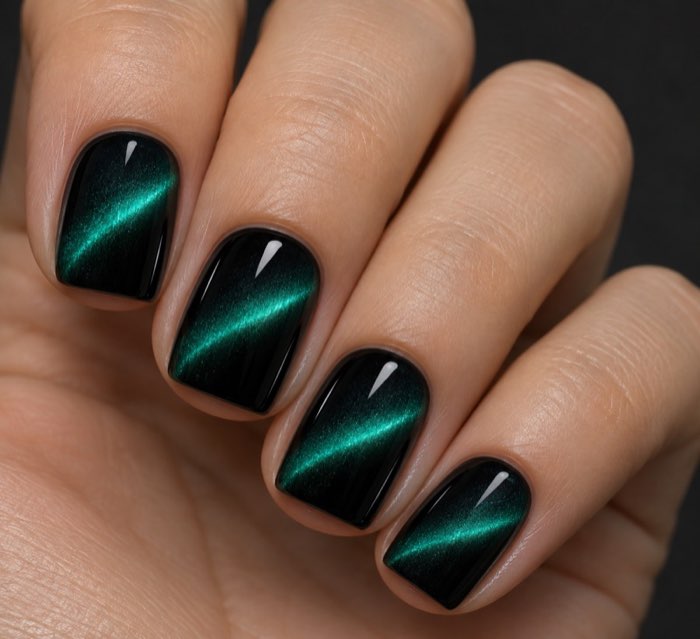 Original Nail Art Inspo image
14
Change sweaty gloves and socks
If your hands or feet stay damp in gloves or socks, change them when practical and keep the surrounding skin clean and dry.
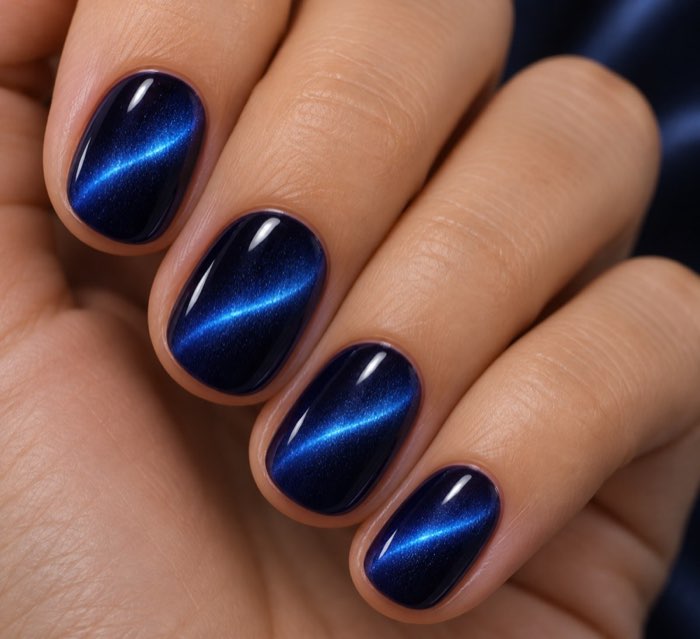 Original Nail Art Inspo image
15
Watch for repeated splitting
A recurring split or change in the nail may need professional or medical attention, especially if it is painful or affects several nails.
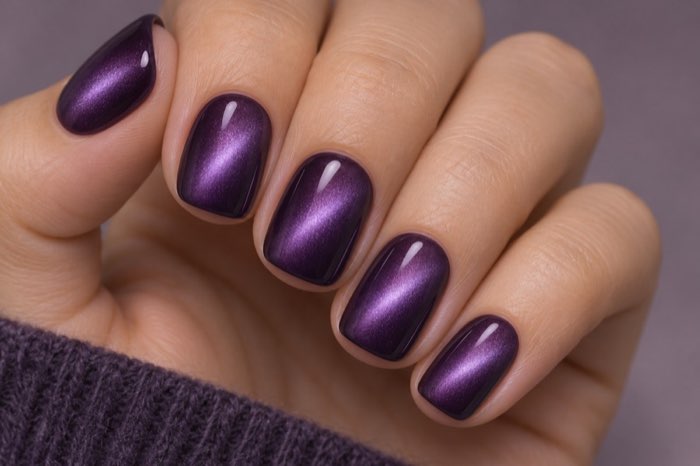 Original Nail Art Inspo image
16
Protect nails during extensions
Choose a length and structure that fit your routine. Avoid aggressive filing of the sidewalls and follow refill and removal guidance.
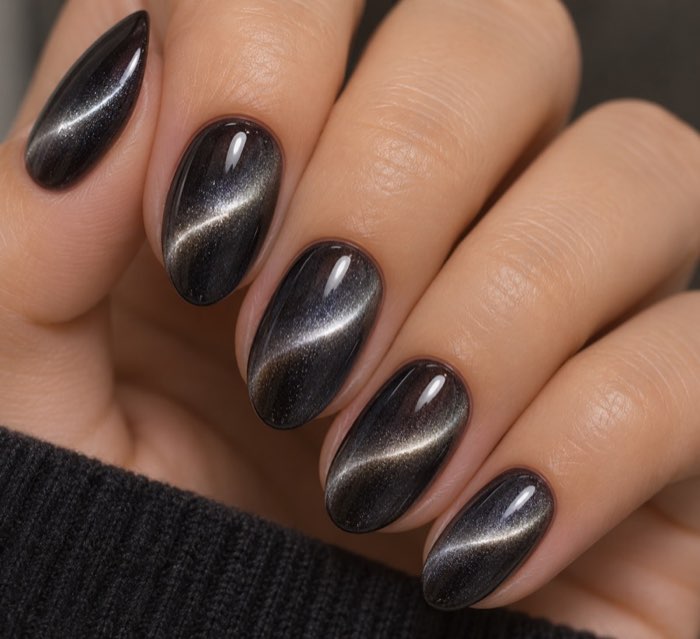 Original Nail Art Inspo image
17
Do not share personal polish tools
Personal files, buffers, and cuticle tools should not move between people without proper sanitation.
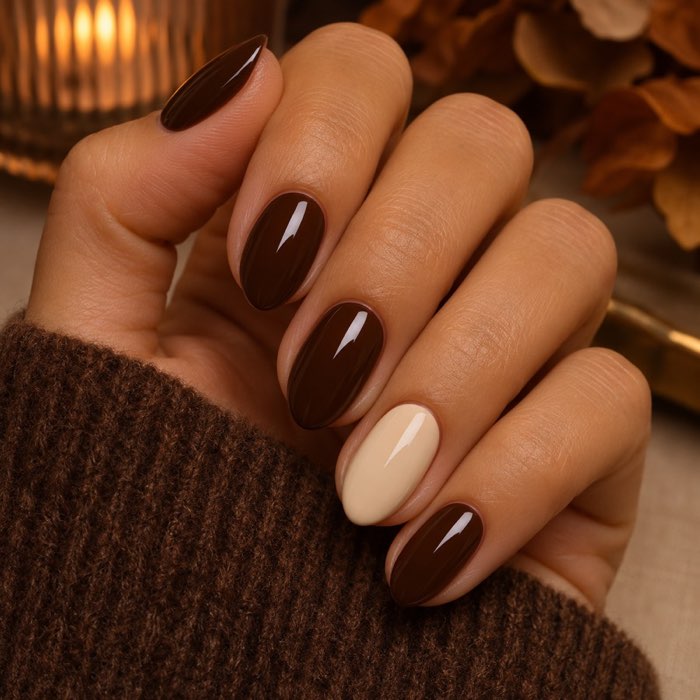 Original Nail Art Inspo image
18
Patch routine snags early
Smooth a small rough edge before it becomes a tear. If the nail is cracked into the sensitive area, do not keep filing through pain.
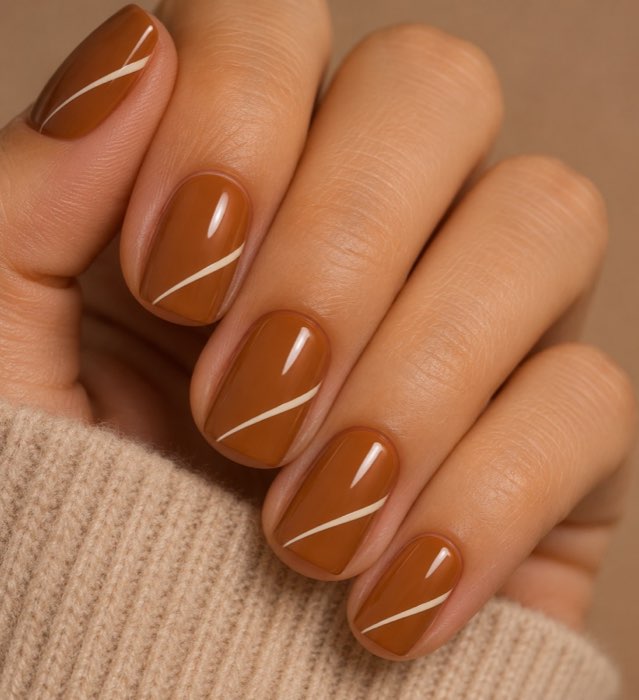 Original Nail Art Inspo image
19
Take photos of changes
A dated photo can help you notice whether a color, texture, or split is changing. Bring useful observations to a professional.
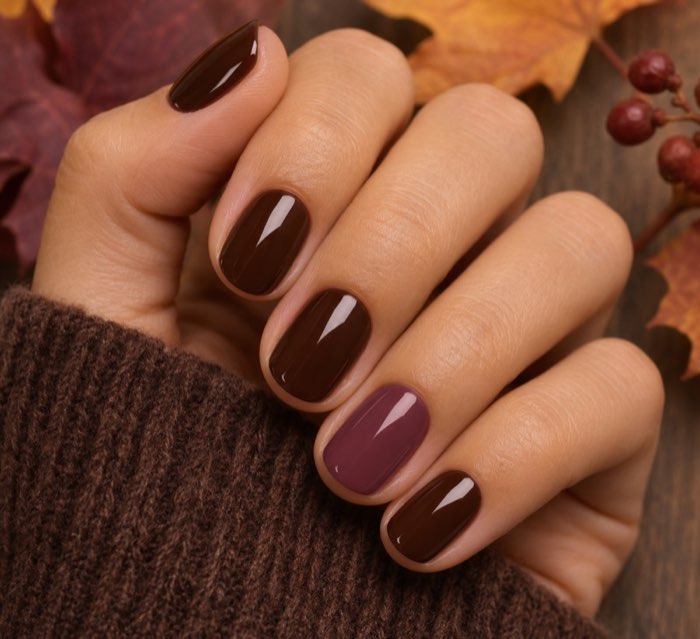 Original Nail Art Inspo image
20
Know when to pause services
Stop applying products over pain, swelling, redness, blistering, drainage, or suspected infection and seek appropriate advice.
Build a simple nail-care routine
A useful routine has three moments: after washing, before exposure to water or chemicals, and before bed. After washing, dry the hands and apply a small amount of moisturizer around the nails. Before dishes or cleaning, use gloves and avoid soaking the hands longer than necessary. At night, apply a cuticle oil or fragrance-free cream if the skin feels dry.
Keep the routine small enough to repeat. A complicated list that happens once a month is less useful than a short routine that fits your day. Put the file, moisturizer, and any approved product where you will actually use them, but keep products closed and away from heat or children.
Context image
Nail care before polish or enhancements
Start with clean, dry nails and inspect the surrounding skin. Do not cover pain, swelling, drainage, or a suspected infection with polish or an enhancement. If the nail is split into a sensitive area, protect it and seek appropriate guidance rather than filing through pain.
For regular polish, remove surface oil according to the product directions and apply thin coats. For gel, use a compatible lamp and the exact base, color, top-coat, and cure sequence for the system. Keep uncured material off the surrounding skin. For acrylic, adhesive tips, or press-ons, choose a size and length that do not create unnecessary pressure.
Context image
Habits that protect length and strength
The free edge is not a screwdriver, scraper, or can opener. Using it as a tool creates leverage that a healthy-looking nail may not tolerate. If a corner catches, smooth it early with a fine file instead of pulling at it. If a crack reaches the sensitive area, stop and get help.
Water and detergent can make the surrounding skin feel dry, but more product is not always the answer. Gloves, shorter exposure, and thorough drying are simple first steps. Do not aggressively cut the cuticle or buff the surface to chase a temporary smooth feeling; that can create new irritation or thinning.
Context image
Safe removal matters as much as application
The removal method depends on the system. Regular polish needs an appropriate remover. Gel, acrylic, adhesive tips, and press-ons may require soaking, filing, or professional removal. Do not peel, bite, or pry cured material from the natural nail. If lifting appears, avoid sealing over an unknown gap.
Plan removal before the appointment. Ask what the product is, how long it should remain, what signs mean it needs repair, and whether the next service should be delayed. A safe removal plan prevents the common cycle of applying more product to hide damage.
Context image
When to pause and seek advice
Pause decorative services when the nail or surrounding skin hurts, becomes red or swollen, develops blisters, drains fluid, or changes in a way you cannot explain. Repeated splitting, separation, unusual color, or changes across several nails may also deserve professional assessment. A photo with the date and notes about products or exposures can make the history easier to explain.
Context image
Match care to the product system
Natural nails, regular lacquer, gel polish, acrylic, builder gel, adhesive tips, and press-ons do not have identical care or removal needs. Before a service begins, ask what is being applied, how it cures or dries, how long it should remain, and what the safe removal process is. That information is more useful than assuming every “long-wear” product behaves the same way.
With regular lacquer, thin coats and drying time matter. With gel, curing matters, and uncured product should not sit on the surrounding skin. With enhancements, structure and length create leverage, so the shape should match your daily tasks. With press-ons and adhesive products, sizing and removal matter as much as the initial application.
Do not use a new product over a reaction simply to test whether the second layer hides it. Stop, remove safely if appropriate, and record the product name and symptoms. If a reaction is severe, spreading, or persistent, seek appropriate medical advice.
A weekly nail-care check
Once a week, look at the free edge, sidewalls, cuticle area, and the surface under the current product if it is visible. Smooth rough edges, shorten a length that has become inconvenient, and replace tools that are dirty or damaged. Check that files are not shared and that reusable tools are cleaned according to their material and service setting.
Use the check to plan the next appointment instead of waiting for a break. Tell your technician about lifting, repeated splits, tenderness, or changes in color. A precise description helps them decide whether to repair, remove, shorten, or pause the service.
What not to promise yourself
Nail care can reduce avoidable stress and support a comfortable routine, but it cannot guarantee a particular growth rate, strength, or appearance. Nails change with time, exposure, products, habits, and individual health. Be cautious with claims that a single oil, supplement, polish, or coating will solve every concern.
The most useful goal is a repeatable process: gentle handling, clean tools, appropriate protection, correct application, and safe removal. That process keeps the manicure looking intentional while leaving room to notice when something needs professional attention.
Make care easier at home and in the salon
At home, prepare the surface and tools before opening products. Keep a clean towel, a suitable file, moisturizer, and the correct removal supplies ready. In the salon, share your length limit, work demands, allergies or past reactions, and the date of your last removal. These details help the service stay conservative and predictable.
Do not compare your nails with a single photo taken under ideal light. Track comfort, lifting, splitting, and how the manicure behaves during normal tasks. A practical set that grows out evenly is often a better result than a dramatic set that needs constant repair.
If you alternate between regular polish, gel, press-ons, or enhancements, write down what was used and when it was removed. A simple record can reveal which combinations cause dryness, lifting, or repeated breaks and gives your next professional better information.
If you notice a pattern, bring the record rather than changing several products at once. One controlled change makes it easier to identify whether the issue came from prep, product contact, water exposure, picking, or removal.
The goal is not to make every nail look identical every day. It is to keep the routine comfortable, reduce avoidable damage, and know when decoration should pause.
A short checklist on your phone can be enough: edge, skin, tools, product, removal, and symptoms.
That clarity also makes future appointments easier to plan.
A calm record is often more useful than another product.
Keep it simple.
Frequently asked questions
How often should I moisturize my nails?
Use moisturizer whenever the surrounding skin feels dry, especially after washing and before bed. Consistency matters more than a fixed number of applications.
Should I cut my cuticles?
Avoid cutting living cuticle tissue. The safest approach depends on the person and service, so follow conservative professional guidance.
Can nail polish damage natural nails?
Polish itself is not a guarantee of damage or protection. Aggressive prep, picking, solvent exposure, or unsafe removal can create problems.
Is gel polish safer than acrylic?
Neither label alone answers that question. Product ingredients, application, curing, skin contact, maintenance, and removal all matter.
How can I stop nails from breaking?
Reduce leverage, keep the edge smooth, use gloves for wet chores, and choose a manageable length. Persistent breakage deserves assessment.
Conclusion
Good nail care is less about a perfect product and more about repeatable habits: protect the edge, moisturize the surrounding skin, keep tools clean, follow product instructions, and remove enhancements patiently. Use the 20 tips above as a practical checklist and pause services when something feels wrong.
Useful Sources And Verification
- U.S. Food & Drug Administration nail-care guidance: https://www.fda.gov/cosmetics/cosmetic-products/nail-care-products
- FDA cosmetic safety guidance: https://www.fda.gov/cosmetics/resources-consumers-cosmetics/using-cosmetics-safely
- American Academy of Dermatology healthy nail tips: https://www.aad.org/public/everyday-care/nail-care-secrets/basics/healthy-nail-tips