
Nail enhancements / Published 2026-11-25
Gel vs Acrylic Nails: Which Is Better?
Gel vs acrylic nails: which lasts longer, costs less and is kinder to your nails? Compare wear, strength, removal, cost and looks before your next set.
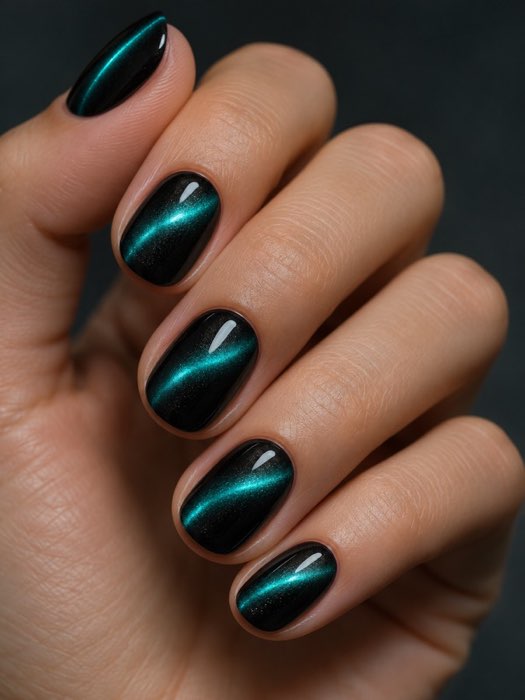 Original Nail Art Inspo image
Gel and acrylic are the two most popular nail enhancements, and they look almost identical once they are on — but they are made, applied, worn, and removed in completely different ways. Gel is a liquid that hardens under a UV or LED lamp; acrylic is a powder and liquid mixed into a bead that hardens in the air. That one difference shapes everything else: how long they last, how they feel, what they cost, and how much they ask of your natural nails.
This guide compares gel nails and acrylic nails honestly: what each one is, how it is applied, how long it lasts, which looks more natural, which is kinder to weak nails, what a salon set costs, and how each one comes off — so you can walk into your appointment already knowing which one to ask for.
Short answer: Gel nails are cured under a UV or LED lamp, feel flexible and glossy, and last two to three weeks; acrylic nails are sculpted from powder and liquid, air-dry without a lamp, feel harder, and last three to four weeks. Choose gel for a natural look and easy removal, and acrylic for maximum length, dramatic shapes, and the strongest wear.
Gel vs acrylic at a glance
| Feature | Gel nails | Acrylic nails |
|---|---|---|
| How it hardens | Cured under a UV or LED lamp | Air-dries from powder + liquid |
| Wear | 2 to 3 weeks | 3 to 4 weeks |
| Feel | Flexible, glossy, lightweight | Harder, more rigid, stronger |
| Best for | Natural look, short to medium length | Long length, sculpted shapes |
| Removal | Soak in acetone, 10 to 15 minutes | Soak in acetone, 20 to 30 minutes |
| Salon cost | Typically $35 to $50 | Typically $45 to $70 |
| Odor | Very little | Strong monomer smell |
| Damage risk | Lower if removed by soaking | Higher if pried or peeled off |
What are gel nails?
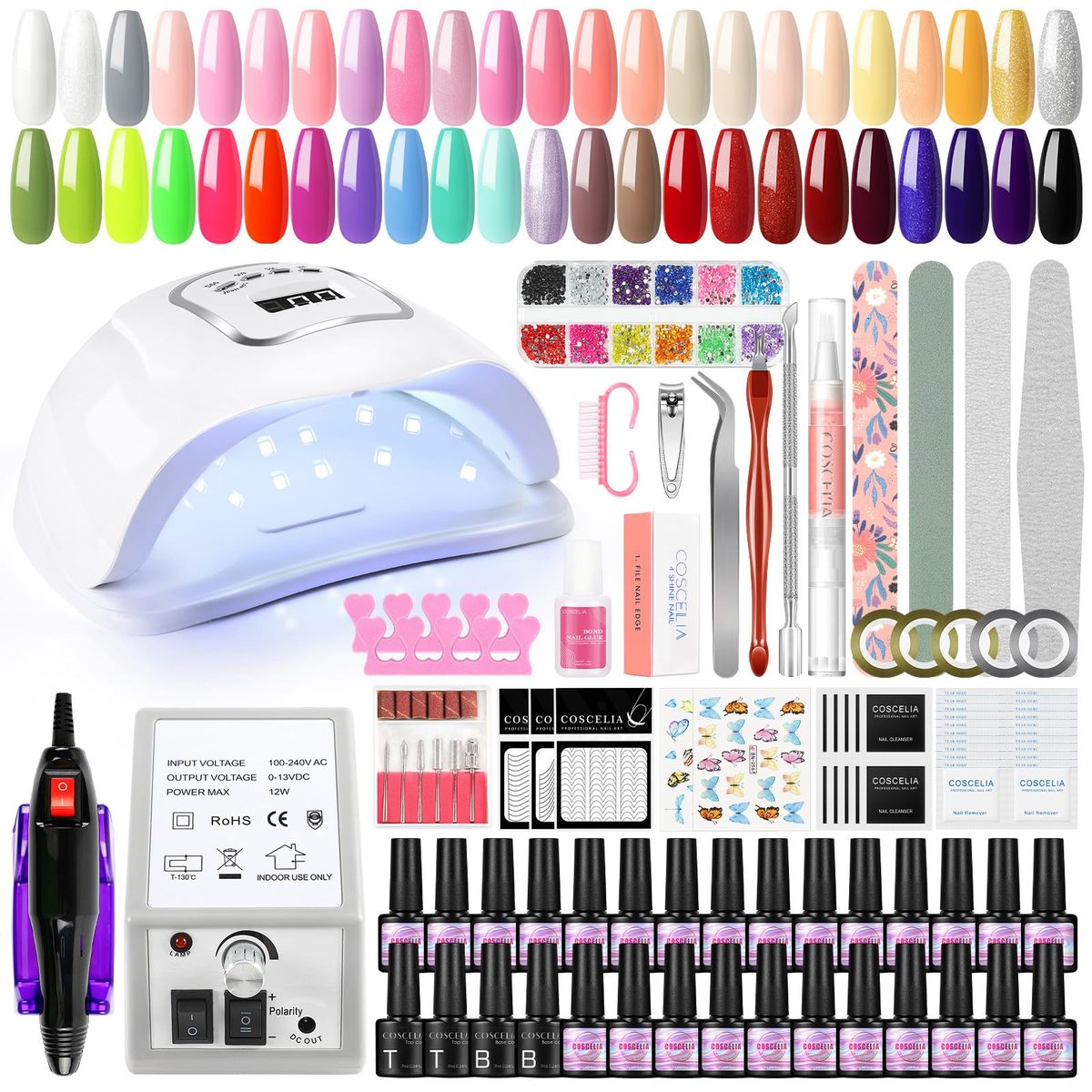
Gel nails are a liquid gel, usually sold in a bottle like polish, that is painted onto the natural nail or onto an extension tip and then hardened — cured — under a UV or LED lamp. Each layer cures in 30 to 60 seconds, and the result is a hard, glossy coating that does not smudge once it leaves the lamp. Builder gel is a thicker version of the same material that can add length and strength, and soft-gel extensions such as Gel-X are pre-shaped tips glued on with gel and cured the same way.
Because gel cures to a smooth, flexible finish, it is the closest enhancement to a natural nail in look and feel. It bends slightly with the nail instead of cracking, and it keeps a high shine for the whole wear. Our gel nail extensions guide explains the extension types — builder gel, soft-gel tips, and hard gel — and which one suits each nail length.
What are acrylic nails?
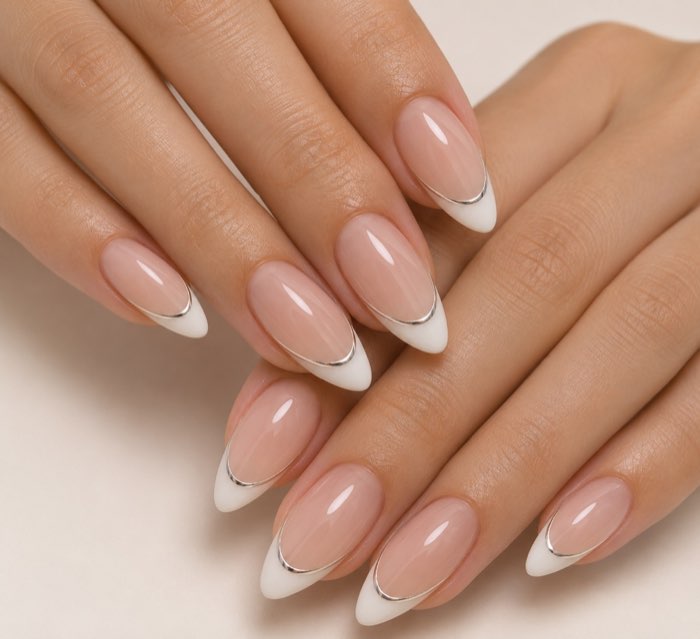
Acrylic nails are made by mixing a powder (a polymer) with a liquid (a monomer) to form a soft bead, which the nail technician sculpts onto the nail or onto a tip and shapes before it hardens in the air — no lamp needed. Once set, acrylic is the hardest and most rigid of the common enhancements, which is why it is the standard choice for very long nails and dramatic shapes such as stiletto, coffin, and extra-long square.
Acrylic has been the salon standard since the 1970s, and it is still the most versatile system for building length from nothing: a skilled technician can sculpt any shape and any length, and the set can be filled in as the natural nail grows. If you love long, sculpted nails, our guide to the best acrylic tips for almond and coffin shapes shows the shapes acrylic does best.
How are gel nails applied?
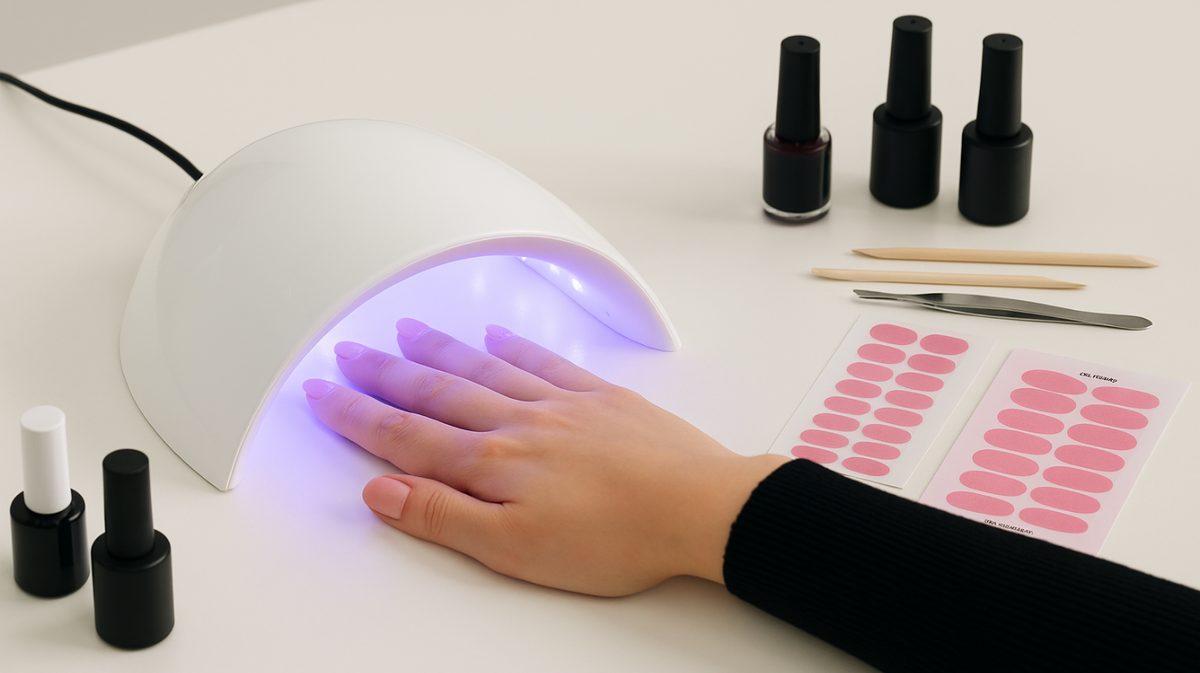
A gel manicure starts with the same prep as any manicure: the nails are shaped, the cuticles pushed back, and the surface gently buffed so the gel grips. Then the technician paints on a base coat and cures it under the lamp, adds two thin coats of gel color — curing each one for 30 to 60 seconds — and finishes with a top coat and a final cure. The whole appointment takes 45 to 60 minutes, and the nails are completely dry the moment the lamp turns off.
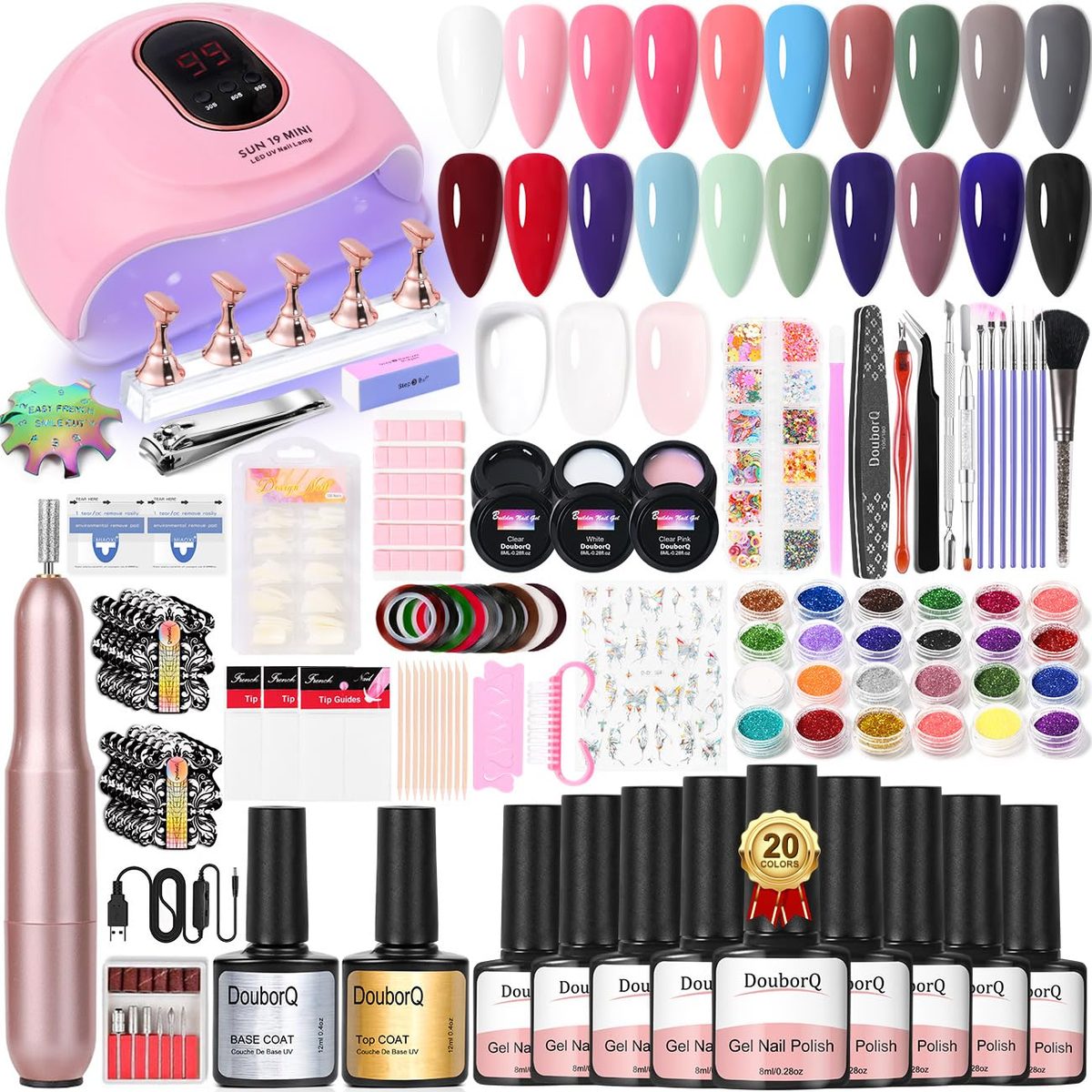
Gel extensions take longer, 60 to 90 minutes, because the technician sculpts builder gel over a form or glues on soft-gel tips before the color layers. The lamp is the key difference from acrylic: without it, gel stays liquid. A home gel kit needs the same lamp, so if you want to try gel at home, start with our best at-home gel nail kits for beginners and a UV LED lamp for home gel.
How are acrylic nails applied?
An acrylic set starts with prep and a tip or a form: for length, the technician glues on a plastic tip or places a paper form under the free edge. Then comes the sculpting — the brush is dipped in monomer liquid, then into acrylic powder, and the bead that forms is placed on the nail and patted into shape before it sets, usually within a minute or two. The technician repeats this bead by bead until the whole nail is covered, then files and shapes the set once it has hardened.
Because acrylic sets in the air, the technician works fast and the appointment takes 60 to 90 minutes for a full set. The monomer has a strong smell that fills the salon — it is the most noticeable difference from gel the moment you walk in. Filing shapes the set after it hardens, and an e-file is often used to thin and smooth the surface before polish goes on.
How long do gel nails last?
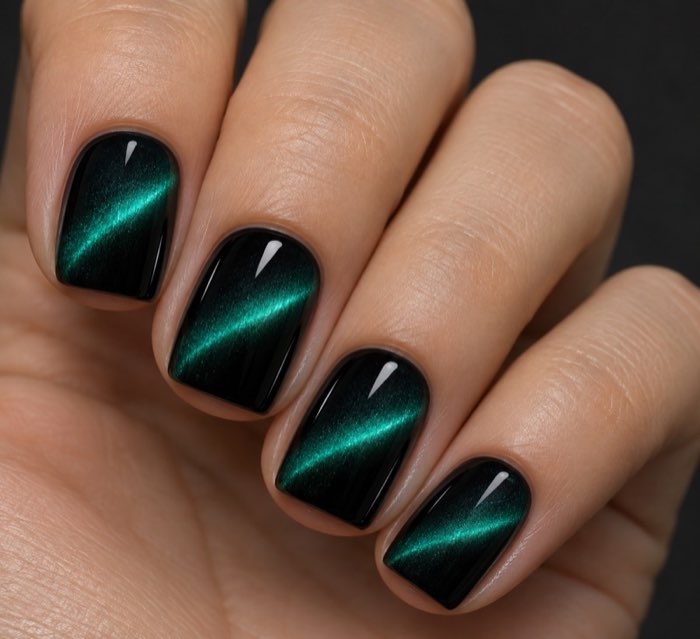
A gel manicure lasts two to three weeks before the regrowth at the cuticle becomes obvious and the edges start to lift or chip. Gel polish on natural nails usually shows wear first at the tips, especially if you use your hands a lot for typing, cleaning, or opening things. Builder gel and soft-gel extensions last a little longer — closer to three weeks — because the thicker layer resists bending and chipping better.
You can stretch gel wear with simple habits: wear gloves for washing up and cleaning, avoid using nails as tools, and add a thin layer of top coat every few days to refresh the shine. Our guide to making your manicure last longer covers the daily habits that add days to any gel set.
How long do acrylic nails last?
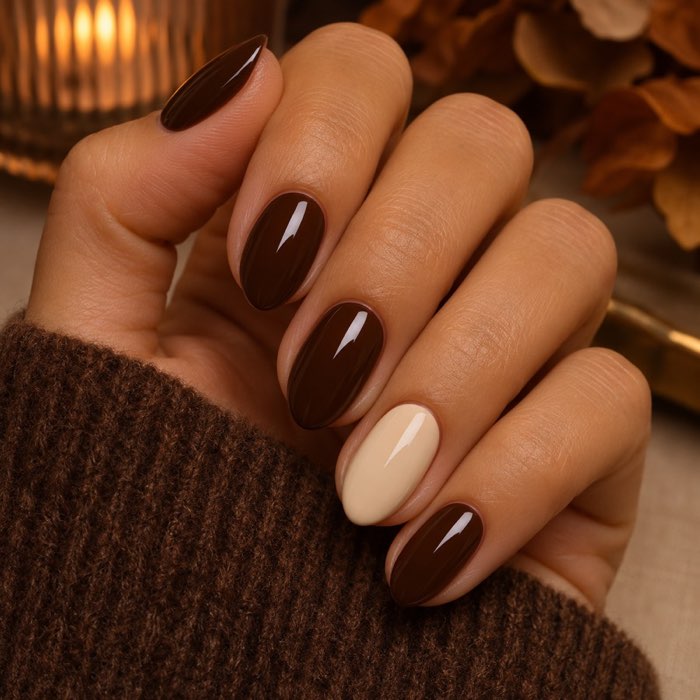
Acrylic nails last three to four weeks, longer than gel, because the set is harder and thicker and resists bending, chipping, and everyday knocks. The limiting factor is not the acrylic breaking — it is the regrowth: after two to three weeks the gap at the cuticle is visible, and most people book a fill, where the technician files the surface and adds fresh acrylic to the regrowth area.
With regular fills every two to three weeks, an acrylic set can be worn for months without a full removal. The risk is lifting: if the edge lifts and water gets underneath, it can trap moisture and cause a green discoloration (a common bacterial stain, sometimes called greenies). If a nail lifts, do not glue it back down yourself — have the salon remove and replace it.
Which looks more natural, gel or acrylic?
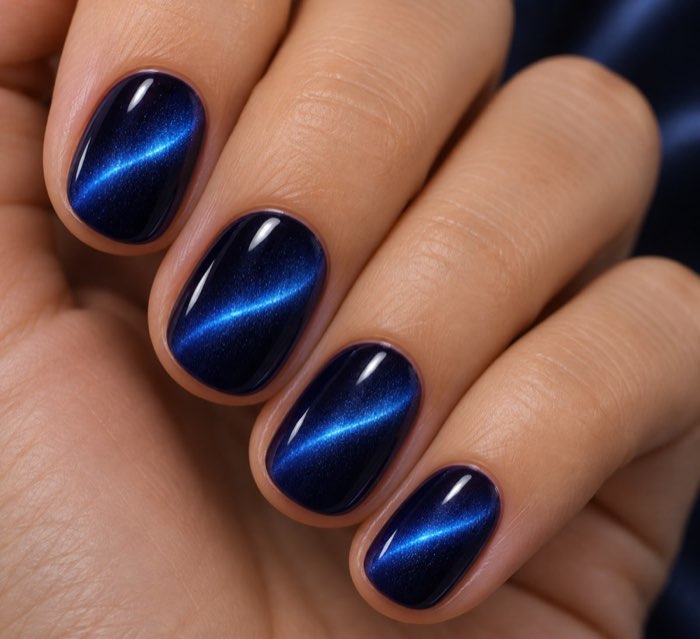
Gel looks more natural. It is thinner, more flexible, and glossier, so a gel manicure reads as a very good natural nail — especially on short to medium lengths, where the enhancement is almost invisible. Acrylic is thicker by nature, and on short nails that thickness can look slightly artificial, particularly at the free edge where the set meets the natural nail.
Acrylic wins on drama rather than naturalness: it holds long lengths and sharp shapes that gel cannot support, and a skilled technician can make a long acrylic set look polished and intentional. If your goal is nails that look like yours, only better, choose gel; if your goal is long, sculpted nails that make a statement, choose acrylic.
Which is better for weak or damaged nails?
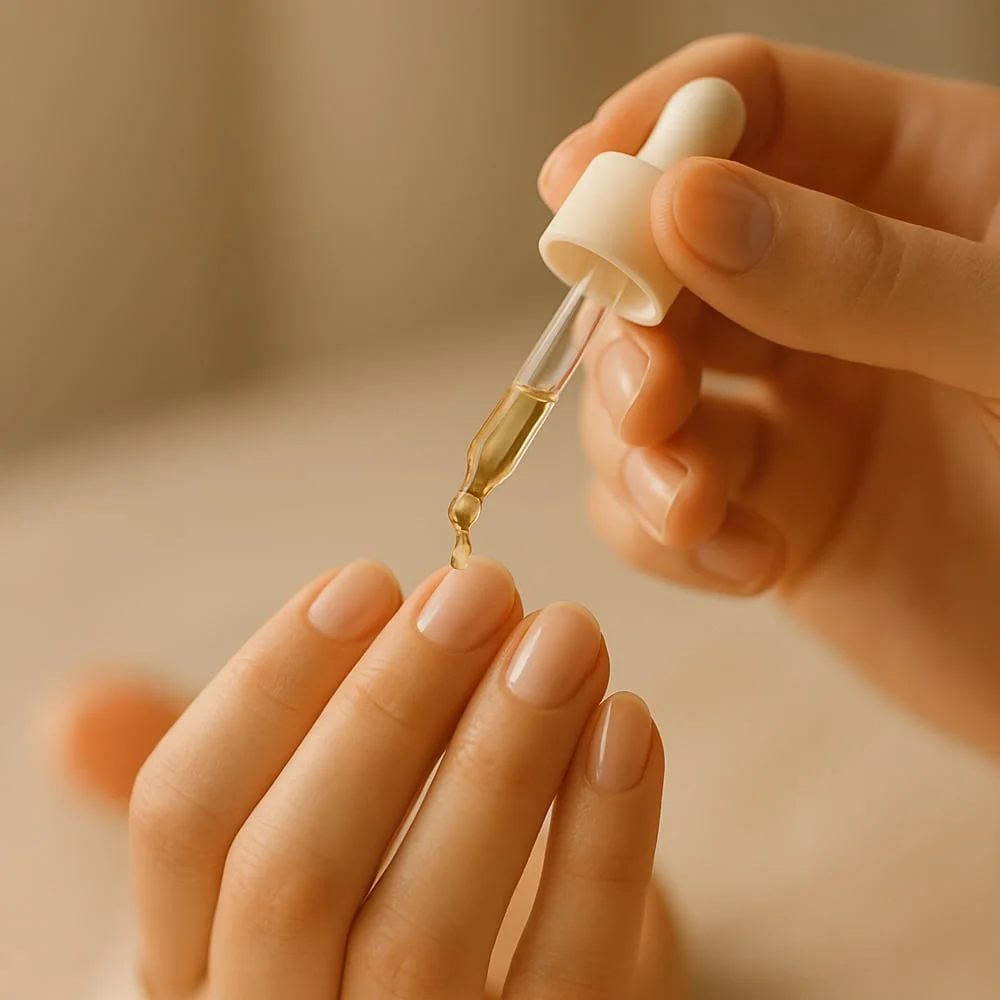
Gel is usually the gentler choice for weak nails, but neither system heals them. Gel is flexible, so it moves with a thin nail instead of levering against it, and it soaks off in 10 to 15 minutes with less filing. Acrylic is rigid, so on a weak nail it can act like a lever: a knock that would bend a gel nail can snap an acrylic one and take a layer of natural nail with it.
The honest answer for damaged nails is to wait. If your nails are peeling, splitting, or sore after a previous set, give them two to four weeks of bare-nail care — daily cuticle oil, a glass file, and no enhancements — before your next set. Our guide to strengthening weak nails covers the routine that rebuilds them, and our nail growth guide explains how long recovery really takes.
How much do gel and acrylic nails cost?
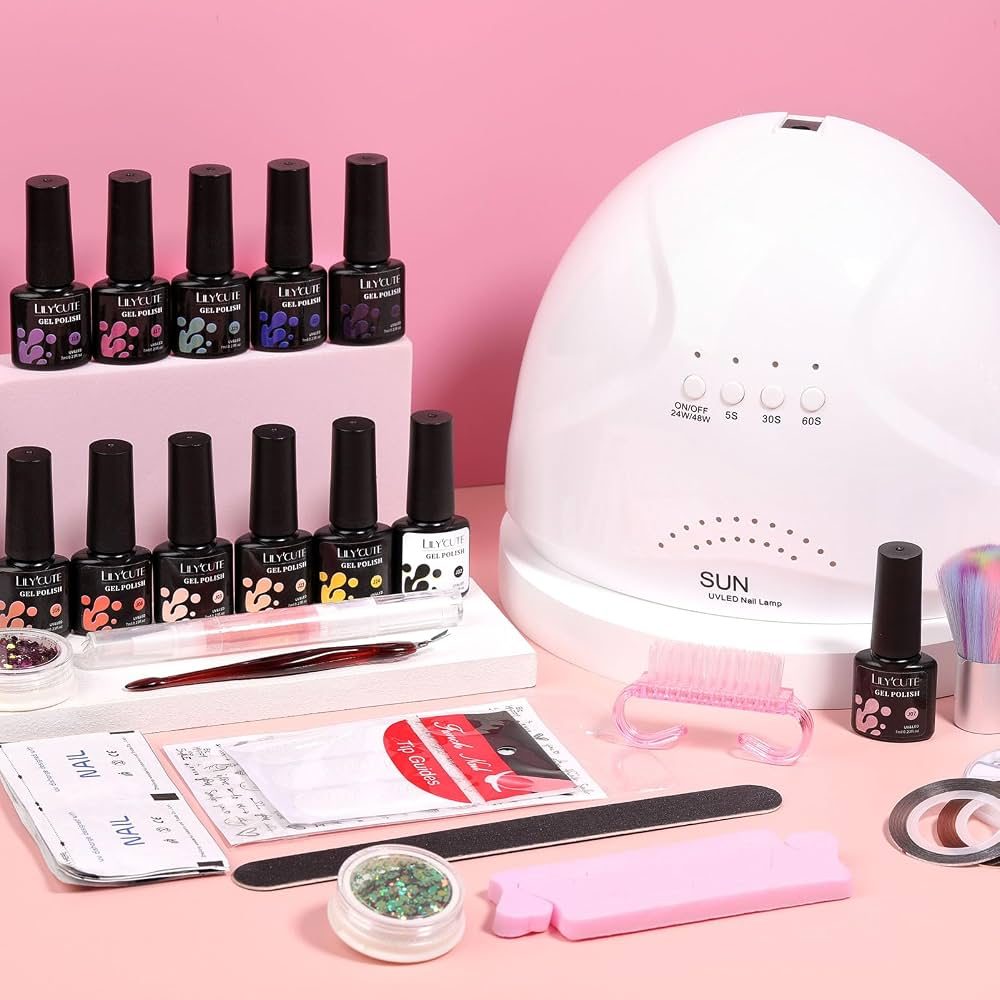
In the US, a salon gel manicure typically costs $35 to $50, and gel extensions run $50 to $80 depending on length. A full acrylic set typically costs $45 to $70, with fills at $30 to $45 every two to three weeks. Prices vary a lot by city, salon, and nail length — big-city salons and extra-long sets cost more — so treat these as a starting point and check your salon's price list.
At home, gel is cheaper to start: a beginner gel kit with a lamp costs $30 to $60 and covers many manicures. Acrylic at home is harder to learn — the bead sets fast, the monomer smells strong, and shaping takes practice — so most beginners get better value from gel. Over a year, the cheaper system is the one you can maintain: gel needs a new set every two to three weeks, acrylic needs fills on the same schedule.
How do you remove gel and acrylic nails?
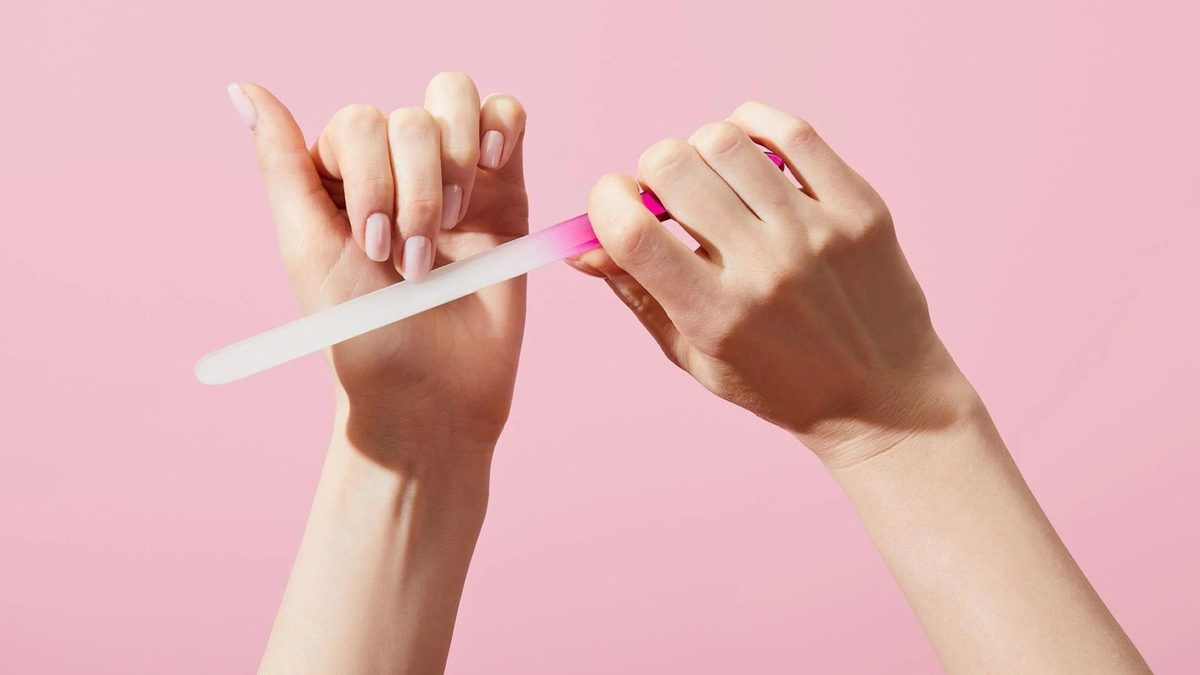
Both are removed by soaking in acetone — never by peeling or prying them off, which lifts layers of your natural nail with them. For gel, file the shiny top coat off first, then soak cotton balls in acetone, wrap each nail in foil, and wait 10 to 15 minutes until the gel softens and can be gently pushed off with an orangewood stick. For acrylic, the same process takes 20 to 30 minutes because the set is thicker, and the technician usually files the bulk down first.
Removal is where most nail damage happens, and it is the main reason to have a salon remove your set rather than doing it yourself. If you do remove gel at home, follow our gel nail polish removal guide step by step — and stop and re-soak if anything resists, instead of forcing it off.
Which one should you choose?
Choose gel if you want a natural look, a glossy finish, shorter to medium length, and the easiest removal — and if you want to do your nails at home, since gel kits are beginner-friendly. Choose acrylic if you want maximum length, dramatic sculpted shapes, the longest wear between appointments, and the strongest set for hands that take a lot of knocks.
If you are still unsure, ask your technician to show you both on your own nails: many salons will do a gel manicure on one hand and an acrylic overlay on the other so you can compare the feel. And remember that you are not locked in — you can wear gel for a few months, take a break, and try acrylic later, or switch between them as your nails and your style change.
How do you care for gel or acrylic nails?
Care is the same for both: keep your hands and cuticles oiled every day, wear gloves for wet work and cleaning, never use your nails as tools, and never peel or pick at a lifting edge. Oil matters most — a drop of cuticle oil massaged into each nail morning and night keeps both the enhancement and the natural nail underneath flexible, so the set bends instead of cracking.
Book your next appointment before the set starts lifting: two to three weeks for gel, two to three weeks for an acrylic fill. A set that is maintained on schedule lasts longer and damages the natural nail less than a set that is left until it lifts and then peeled off. Our nail care guide covers the full daily routine for nails with enhancements.
Frequently asked questions
Which lasts longer, gel or acrylic nails?
Acrylic lasts longer: three to four weeks against two to three weeks for gel. Acrylic is harder and thicker, so it resists chipping and bending better, and it can be filled in every two to three weeks instead of removed. Gel wears faster at the tips, especially on hands that do a lot of typing or cleaning.
Are gel or acrylic nails more damaging?
Acrylic is usually more damaging, mainly because of removal: it is thicker, so it needs a longer acetone soak and more filing, and prying it off lifts layers of the natural nail. Gel soaks off faster with less filing. Both are safe when applied and removed properly — most damage comes from peeling a set off, not from the product itself.
Can you do gel or acrylic nails at home?
Gel is much easier at home: a beginner kit with a lamp costs $30 to $60, and the polish-like application is forgiving. Acrylic is harder to learn — the bead sets in a minute or two, the monomer smells strong, and shaping takes practice. Most beginners should start with gel and leave acrylic to a salon until they are confident.
Do gel nails need a UV lamp?
Yes. Gel stays liquid until it is cured under a UV or LED lamp, 30 to 60 seconds per layer. Acrylic does not need a lamp at all — it hardens in the air. If you buy a gel kit, the lamp is the one item you cannot skip.
Can you paint regular polish over gel or acrylic nails?
Yes, both take regular polish on top, and you can remove that polish with a non-acetone remover without harming the set. Use an acetone-free remover for touch-ups: acetone remover will soften and dull gel and acrylic underneath.
Why do acrylic nails lift?
Lifting usually means the prep was incomplete — oil or moisture left on the nail plate, cuticle not pushed back, or the surface not buffed enough for the acrylic to grip. Water getting under a lifted edge makes it worse. If a nail lifts, have the salon remove and replace it rather than gluing it back down.
Can you switch from acrylic to gel nails?
Yes. Have the salon soak off the acrylic completely, give your natural nails a week or two of oil and bare-nail care, and then start gel. Switching the other way works the same way: remove the gel by soaking, then build the acrylic set on clean, healthy nails.
Conclusion
Gel and acrylic both give you a polished, long-lasting manicure — the right one depends on your nails and your life. Gel is thinner, glossier, more natural-looking, and easier to remove, which makes it the better choice for short to medium nails and for beginners. Acrylic is harder, stronger, and longer-lasting, which makes it the better choice for long lengths and dramatic shapes. Whichever you pick, the care is the same: daily oil, gloves for wet work, no peeling — and a salon removal when the set is done.
Sources and verification
- FDA: Nail care products — U.S. Food & Drug Administration nail-care guidance.
- FDA: Using cosmetics safely — FDA cosmetic safety guidance.
- American Academy of Dermatology: Healthy nail tips — everyday nail-care guidance.
- NHS: Nail problems — when to seek advice.
Related guides
Affiliate disclosure: Some links below are affiliate links. If you buy through one, Nail Art Inspo may earn a commission at no extra cost to you. That relationship does not change the comparison criteria. As an Amazon Associate, Nail Art Inspo earns from qualifying purchases.