
Nail care / Published 2026-11-26
How to Remove Acrylic Nails Safely
How to remove acrylic nails at home without damage: file, soak in acetone for 20 to 30 minutes, gently lift, then repair the natural nail. Full safe steps.
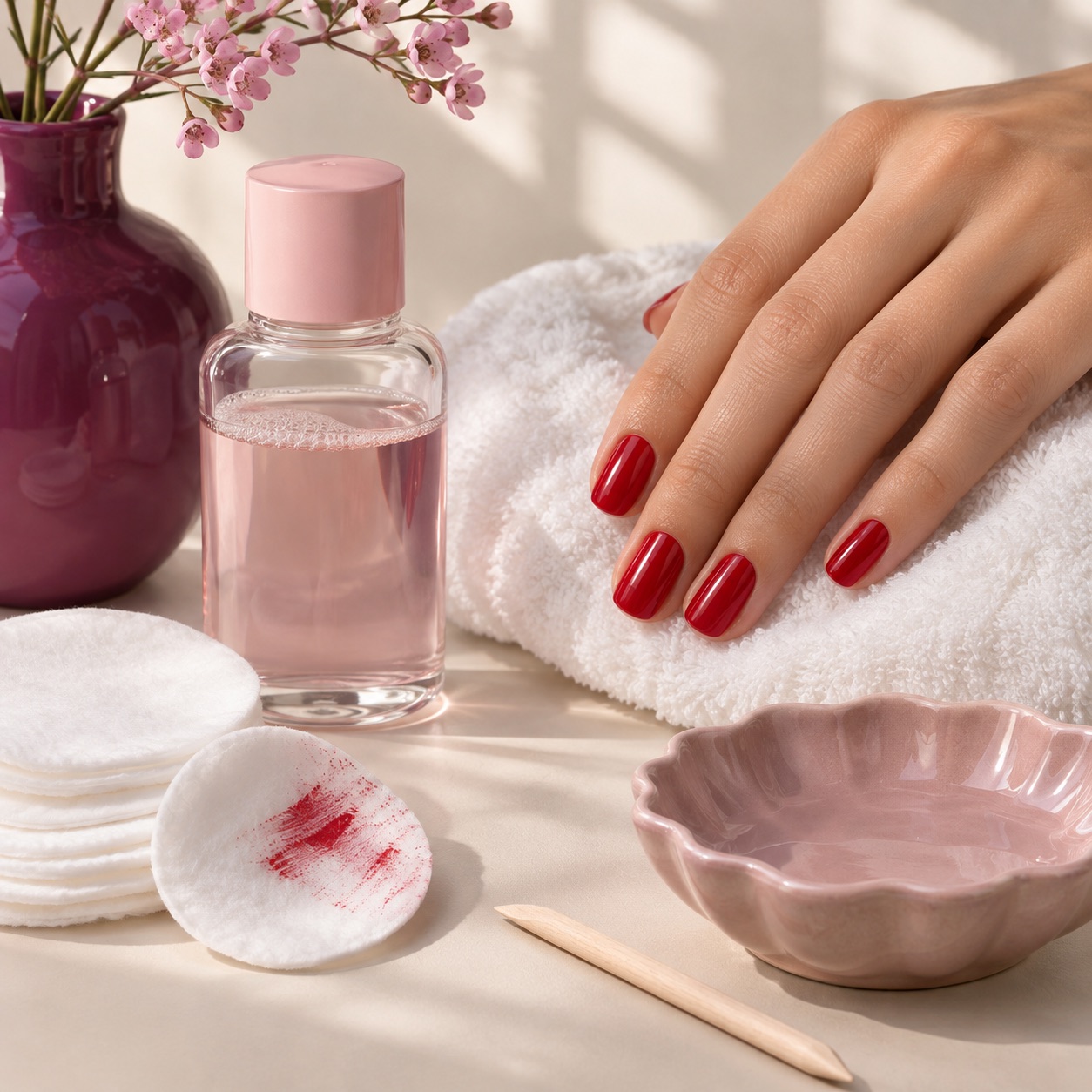 Original Nail Art Inspo image
Acrylic nails are built to last three to four weeks, and they do not come off with a quick wipe of remover. The safe way to remove them at home is to file down the bulk, soak in pure acetone for 20 to 30 minutes, and gently lift the softened acrylic — never pry, peel, or bite it off. Done patiently, removal takes about 45 minutes and leaves the natural nail intact.
This guide walks through the full process: what you need, how to shorten and file the acrylic first, the two soak methods, how to lift without tearing, and how to repair and protect the natural nail afterwards.
Short answer: To remove acrylic nails safely at home, clip the length, file the surface and bulk down, then soak each nail in pure acetone for 20 to 30 minutes until the acrylic turns soft and gummy. Gently push the softened acrylic off with a cuticle stick, re-soak any stubborn spots, and never pry. Finish with cuticle oil and a strengthening treatment.
Acrylic removal at a glance
| Step | What to do | Time |
|---|---|---|
| 1. Clip | Cut acrylic length down with nail clippers | 2 minutes |
| 2. File | File the surface and bulk with a 100/180-grit file | 5 to 10 minutes |
| 3. Soak | Soak in pure acetone, bowl or foil wraps | 20 to 30 minutes |
| 4. Lift | Push softened acrylic off with a cuticle stick | 5 minutes |
| 5. Re-soak | Repeat the soak on any remaining acrylic | 10 minutes if needed |
| 6. Repair | Buff lightly, oil cuticles, apply strengthener | 5 minutes |
What do you need to remove acrylic nails at home?
You need pure acetone (not acetone-free remover, which will not dissolve acrylic), a glass or ceramic bowl or foil wraps with cotton, a 100/180-grit nail file, nail clippers, a cuticle stick or orangewood stick, and cuticle oil. A bowl of warm water to set the acetone bowl in speeds the process up. Work in a ventilated room and keep acetone away from flames and finished furniture.
Should you clip and file the acrylic first?
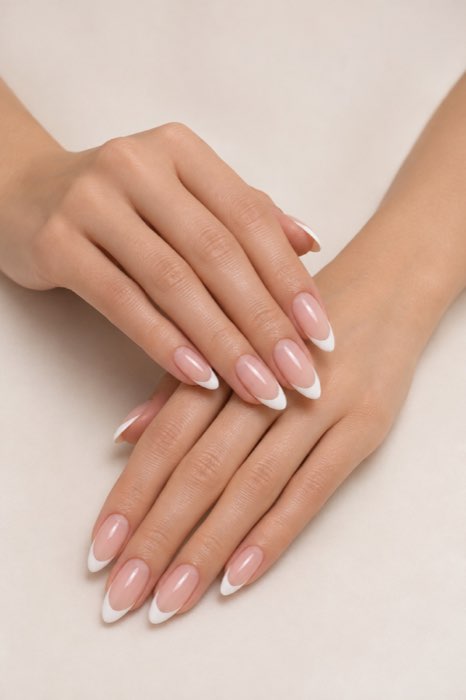
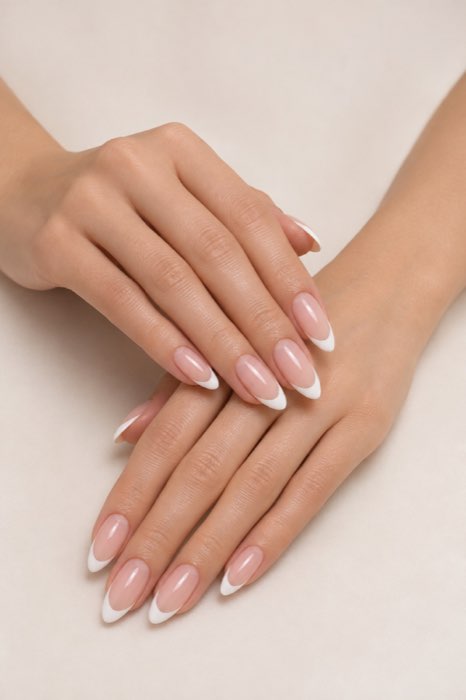
Yes — clipping the length and filing the bulk first makes removal much faster. Clip the free edge down close to your natural nail length, then file the surface to break the shiny top layer and thin the acrylic. The thinner the acrylic, the faster acetone can dissolve it. Aim to remove about half the thickness, and stop filing if you feel heat or see your natural nail.
How long do acrylic nails soak in acetone?
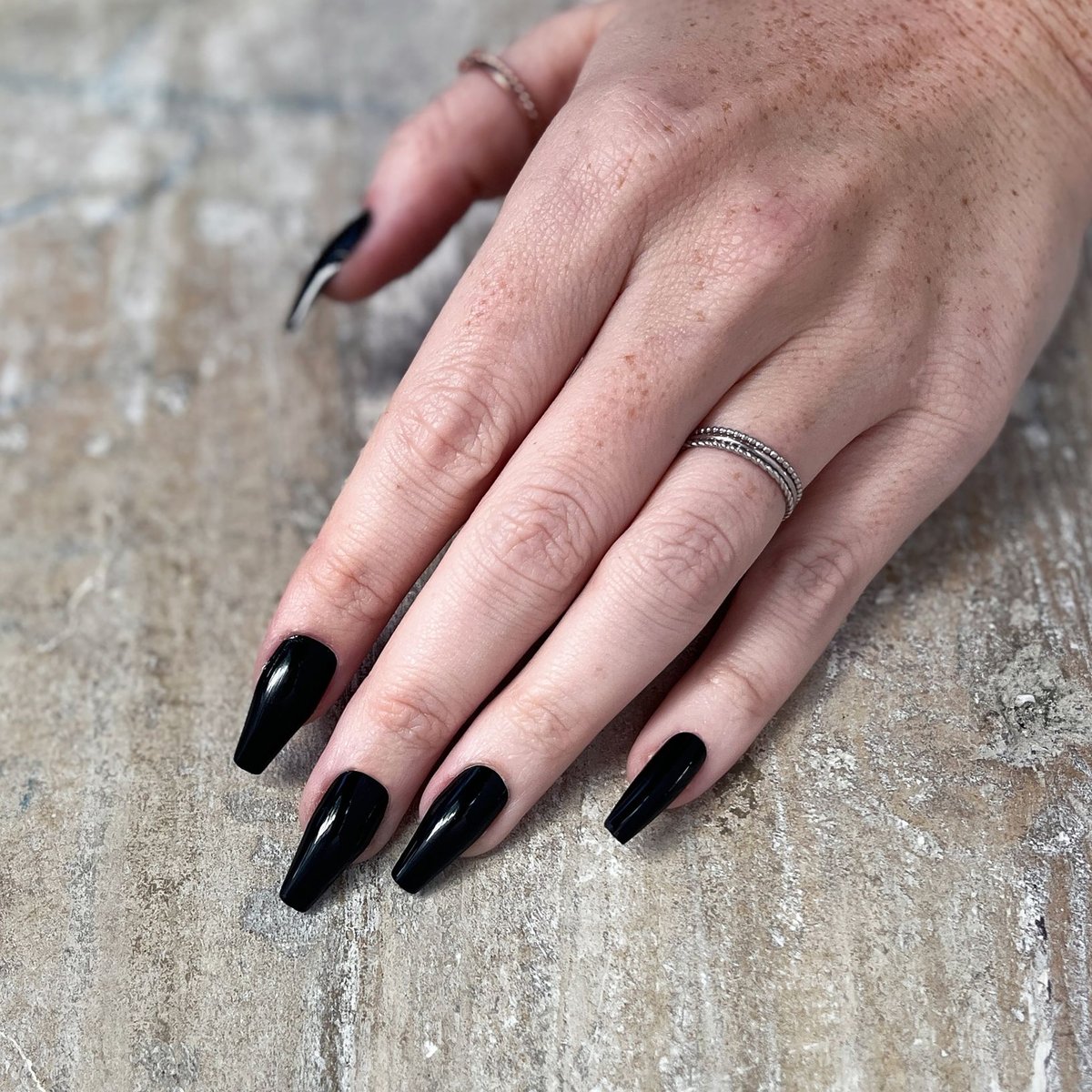
Acrylic nails need 20 to 30 minutes in pure acetone to soften enough to lift away. Set the acetone bowl inside a larger bowl of warm water to speed it up, and check every 10 minutes: the acrylic should look swollen, white, and gummy. If it is still hard, keep soaking — rushing this step is what causes damage.
Bowl soak or foil wraps: which works better?
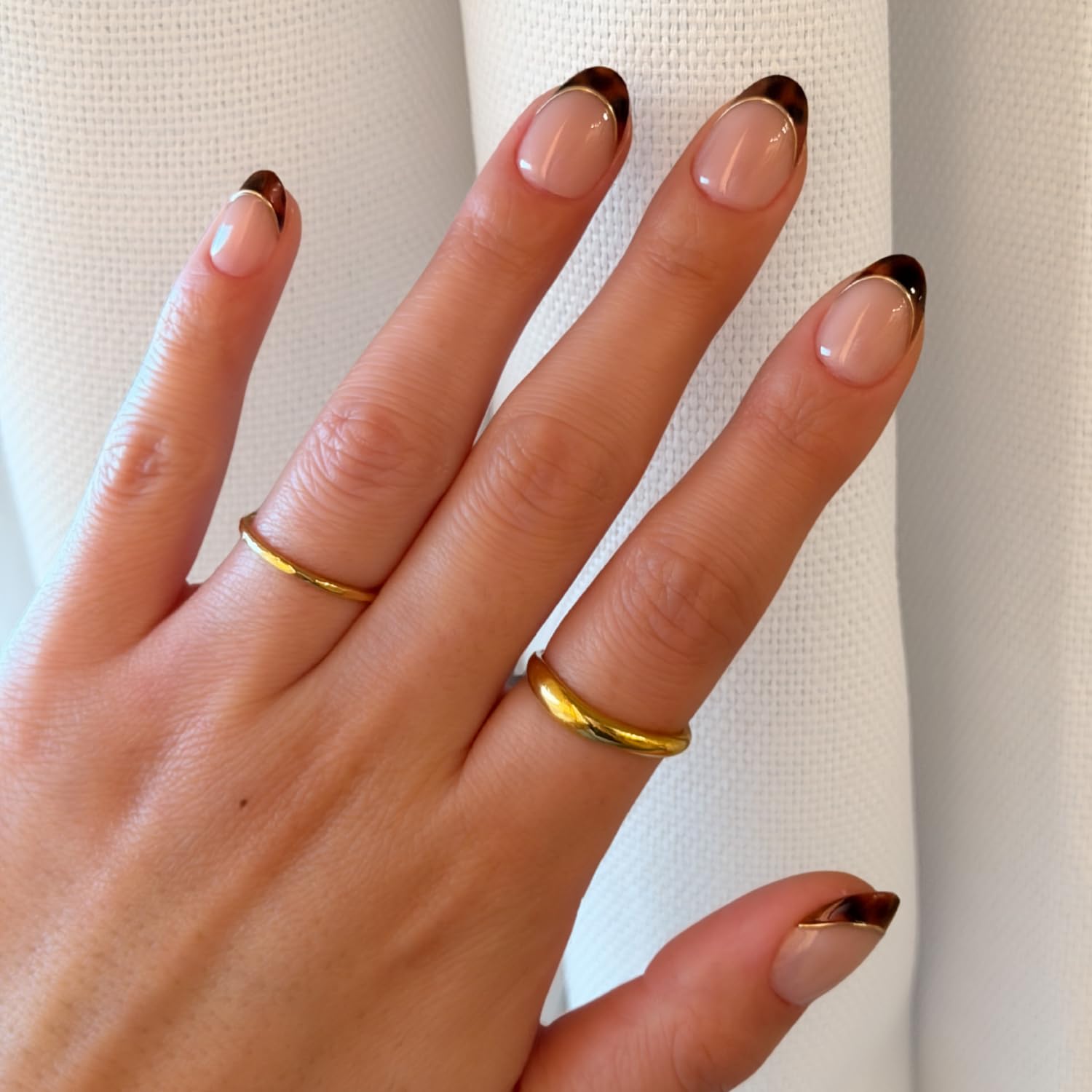
A bowl soak is faster because the nail sits in more acetone, but it is harsher on skin and cuticles. Foil wraps — acetone-soaked cotton held on with foil — use less acetone and protect the skin, but can take 5 to 10 minutes longer. Either method works; choose wraps if your skin is sensitive, and coat the cuticles with oil or petroleum jelly first.
How do you lift the acrylic off without tearing your nail?
Once the acrylic is soft and gummy, push it gently toward the tip with a cuticle stick using almost no pressure. It should slide off in soft layers. If a section resists, stop and soak that nail for another 10 minutes instead of forcing it. Forcing acrylic off tears layers from the natural nail plate and is the main cause of thin, sore nails after removal.
What if some acrylic will not come off?
Stubborn patches usually mean that area was thicker or the acetone was too weak or too cold. File the patch lightly to open the surface, then re-soak for 10 more minutes. Repeat until it lifts. Never scrape hard with a metal tool — patience with acetone is what keeps the natural nail whole.
Can you remove acrylic nails without acetone?
Not safely. Acetone-free removers do not dissolve acrylic, and the alternatives people try — prying with a tip, biting, or sliding a card under the acrylic — tear the natural nail. If you cannot use acetone, a salon removal is the safe option; it is quick and inexpensive compared with repairing torn nails.
How do you repair nails after acrylic removal?
After removal, wash your hands, then buff the nail surface very lightly only where it is rough. Apply cuticle oil generously and a nail strengthener or a clear protective polish. Keep nails short for the first week or two, and use oil daily — the nail plate rehydrates and hardens over two to four weeks. Our guide to strengthening weak nails covers the full recovery routine.
How long should you wait before a new set?

If your natural nails feel thin or sore, wait at least one to two weeks and keep them short and oiled before a new set. If they feel normal, a new set can go on right away, but a short break with a strengthening treatment is still the kinder option. Many people switch to a builder-gel overlay while nails recover — see our builder gel vs Gel-X comparison.
When should you see a salon instead?
Choose salon removal if an acrylic nail is lifted and trapping moisture, if you see green or dark discoloration under the nail, or if the nail is painful or infected. Those signs need professional care, not a home soak. For a normal, healthy set, the home method above is safe and effective. Compare removal with gel in our gel removal guide.
Frequently asked questions
How long does it take to remove acrylic nails at home?
About 45 minutes in total: 5 to 10 minutes of clipping and filing, 20 to 30 minutes of soaking in acetone, and a few minutes to lift and repair. Thick sets can take up to an hour.
Does acetone damage natural nails?
Pure acetone dries the nail and skin temporarily but does not permanently damage the nail when used for a 20 to 30 minute soak. Cuticle oil afterwards restores moisture. The real damage comes from prying acrylic off.
Can I remove acrylic nails with nail polish remover?
Only if the remover is pure acetone. Acetone-free and most regular removers are too weak to dissolve acrylic, so the set will not soften no matter how long you soak.
Why are my nails thin after acrylic removal?
Thin, sore nails after removal usually mean acrylic was forced off, tearing layers from the nail plate. With a full soak and gentle lifting, the natural nail stays intact and only needs oil and a strengthener.
How often should I check the soak?
Check every 10 minutes. The acrylic is ready when it looks swollen, white, and gummy and slides under a cuticle stick with almost no pressure. If it resists, soak longer.
Can I reuse the acetone?
Acetone from a removal bowl contains dissolved acrylic and works poorly a second time. Use fresh acetone for each removal, and dispose of used acetone according to local household-chemical guidance.
Should I file my natural nail after removal?
Only buff very lightly where the surface is rough. Heavy filing thins the nail further. Oil, a strengthener, and short length for a week or two do more for recovery than filing.
Conclusion
Safe acrylic removal is mostly patience: clip, file, soak in pure acetone for 20 to 30 minutes, and lift only what is already soft. Skip the prying and your natural nails come out intact, needing only oil, a strengthener, and a week or two at short length to recover fully.
Sources and verification
- FDA: Nail care products — U.S. Food & Drug Administration nail-care guidance.
- FDA: Using cosmetics safely — FDA cosmetic safety guidance.
- American Academy of Dermatology: Healthy nail tips — everyday nail-care guidance.
- NHS: Nail problems — when to seek advice.
Related guides
Affiliate disclosure: Some links below are affiliate links. If you buy through one, Nail Art Inspo may earn a commission at no extra cost to you. That relationship does not change the comparison criteria. As an Amazon Associate, Nail Art Inspo earns from qualifying purchases.