
Nail enhancements / Published 2026-11-25
Dip Powder vs Gel Nails: Which Is Better?
Dip powder vs gel nails: which lasts longer, is easier to remove and is kinder to your nails? Compare wear, cost, removal and looks before you choose.
 Original Nail Art Inspo image
Dip powder and gel polish are the two manicures people argue about most in the salon chair, and for good reason: both last far longer than regular polish, both come in every color, and both cost about the same. But they work in opposite ways. Dip powder is built up in layers — base, colored powder, activator — and hardens without a lamp. Gel polish is painted on like regular polish and hardened under a UV or LED lamp.
This guide compares dip powder and gel nails honestly: what each one is, how it is applied, how long it lasts, which is kinder to weak nails, what a salon set costs, and how each one comes off — so you can choose the manicure that fits your nails, your budget, and your patience for removal.
Short answer: Dip powder nails are built from base, colored acrylic powder and activator — no lamp needed — and last three to four weeks with a hard, solid finish. Gel nails are painted on and cured under a UV or LED lamp, feel glossier and more flexible, and last two to three weeks. Choose dip for durability and gel for shine.
Dip powder vs gel at a glance
| Feature | Dip powder | Gel nails |
|---|---|---|
| How it hardens | Activator liquid, no lamp | Cured under a UV or LED lamp |
| Wear | 3 to 4 weeks | 2 to 3 weeks |
| Feel | Hard, solid, slightly thicker | Glossy, flexible, lightweight |
| Best for | Durability, solid colors | Shine, nail art, easy changes |
| Removal | File top layer, soak 15 to 20 minutes | File top coat, soak 10 to 15 minutes |
| Salon cost | Typically $40 to $55 | Typically $35 to $50 |
| UV exposure | None | UV or LED lamp, minutes per set |
| Color changes | Harder — full removal first | Easier — soak off and repaint |
What is dip powder?
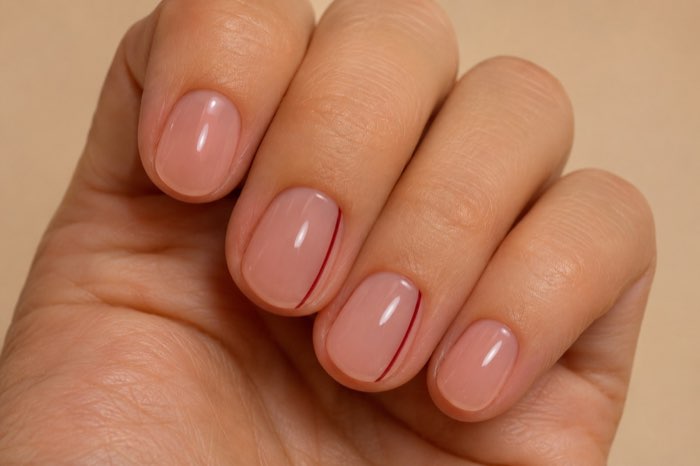
Dip powder is a manicure system built from layers: a base coat is painted on the nail, the nail is dipped into — or dusted with — a fine colored acrylic powder, and an activator liquid hardens the layers into a solid coating. The process repeats two or three times to build the color and the thickness, and a top coat seals the finish. There is no lamp, no waiting for polish to dry, and no smudging once the activator sets.
The powder is essentially colored acrylic, so a dip manicure feels like a thin acrylic overlay: hard, solid, and protective. It is best known for its durability and for rich, opaque solid colors — the kind of smooth, even finish that regular polish struggles to match. Dip does not add much length on its own, though it can be used over tips or extensions for a stronger set.
What is gel polish?
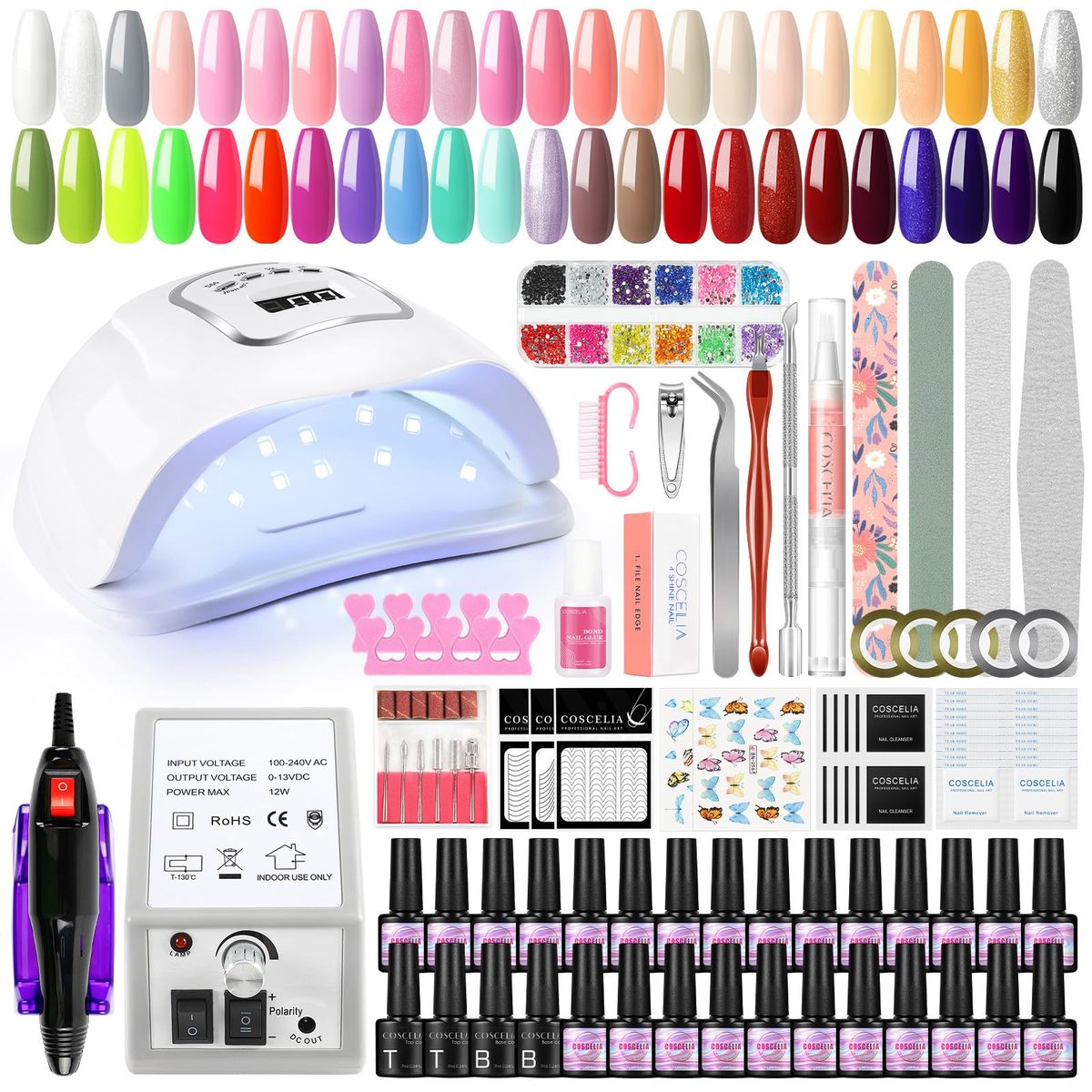
Gel polish is a polish that hardens under a UV or LED lamp instead of drying in the air. It is painted on in thin layers — base coat, two coats of color, top coat — and each layer is cured for 30 to 60 seconds. Once cured, the finish is hard, glossy, and smudge-proof the moment you leave the lamp, and it stays that way for two to three weeks.
Gel is the most versatile of the two systems for color and art: it comes in every shade, it blends and layers for ombre and marble effects, and a nail artist can paint fine detail on top of a cured layer. If you change your mind about color often, gel is the easier system to live with — it soaks off in 10 to 15 minutes and repaints cleanly. Our best gel nail polish guide covers the shades and brands that wear best.
How is dip powder applied?
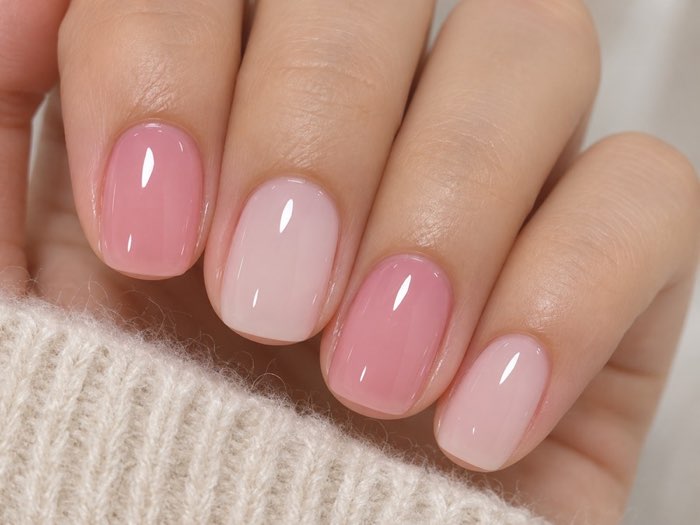
A dip application starts with prep: nails shaped, cuticles pushed back, surface buffed. Then the technician paints on a base coat and dips the nail into the colored powder jar — or, in the more hygienic method, pours the powder over the nail — then brushes off the excess and repeats the base-and-powder step two or three times. An activator liquid is painted on to harden the layers, the nails are shaped and smoothed, and a top coat seals the finish.
The whole appointment takes 45 to 60 minutes, about the same as gel. The hygiene question matters: dipping many clients' nails into the same jar can spread bacteria, so a good salon pours the powder over the nail or uses a fresh portion per client. If your salon dips straight into a shared jar, ask them to pour instead — it is a reasonable request and a sign of a careful salon.
How is gel polish applied?
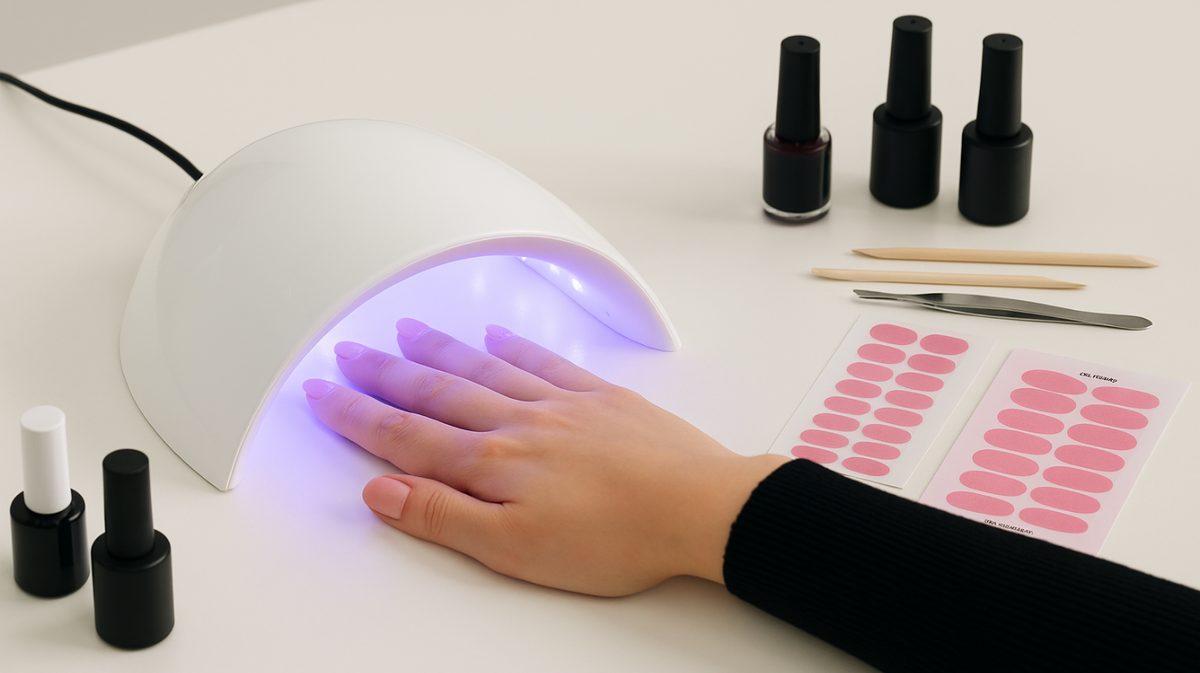
A gel manicure starts the same way — shaping, cuticle care, gentle buffing — then the technician paints a thin base coat and cures it under the lamp for 30 to 60 seconds. Two thin coats of gel color follow, each cured, and a top coat finishes the set with a final cure. The nails are dry the instant the lamp turns off, so there is no waiting and no risk of smudging on the way home.
The lamp is the one thing gel cannot do without: gel stays liquid until it is cured, so a home gel kit must include a UV or LED lamp. If you want to try gel at home, our best at-home gel nail kits for beginners explains what a good starter kit includes, and our UV LED lamp guide covers the lamps that cure reliably.
How long does dip powder last?
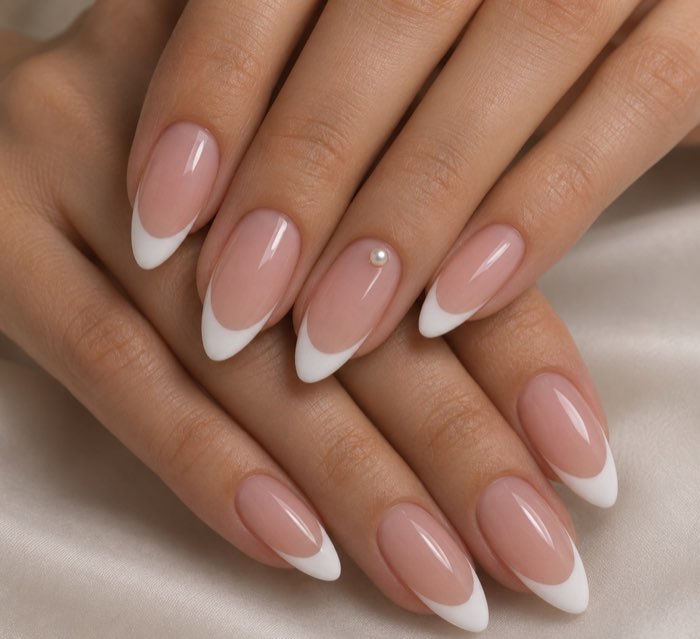
Dip powder lasts three to four weeks, longer than gel, because the layered powder builds a hard, thick coating that resists chipping, bending, and everyday wear. It is one of the longest-wearing manicures you can get without full acrylic extensions, and it holds up well on hands that do a lot of typing, cleaning, or manual work — the situations where gel starts to chip at the tips.
The limit is regrowth, as with any enhancement: after two to three weeks the gap at the cuticle shows, and most people book a new dip set rather than a fill. Dip is usually removed completely and reapplied, which is slower than a gel change but means every set starts fresh on a clean nail.
How long does gel polish last?
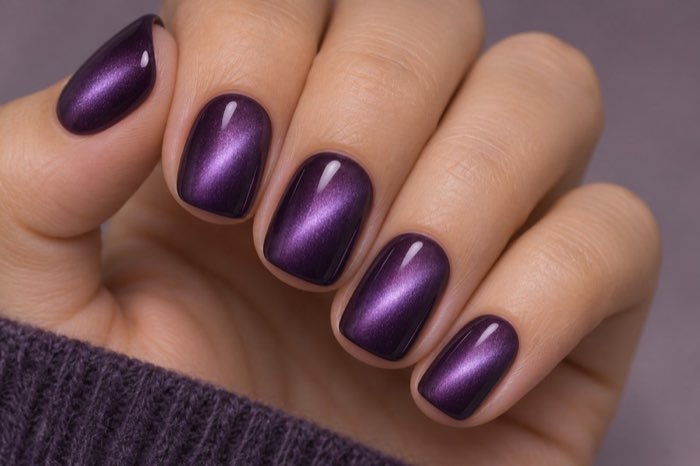
Gel polish lasts two to three weeks before the regrowth at the cuticle shows and the edges start to lift or chip. It wears fastest at the tips on hands that type, clean, or open things all day, and darker colors show chips more than nudes. Builder gel and soft-gel extensions last a little longer — closer to three weeks — because the thicker layer resists bending better.
You can add days to a gel set with simple habits: gloves for washing up and cleaning, no using nails as tools, and a fresh thin layer of top coat every few days. Our guide to making your manicure last longer covers the daily habits that stretch any gel set.
Which is better for weak nails, dip or gel?
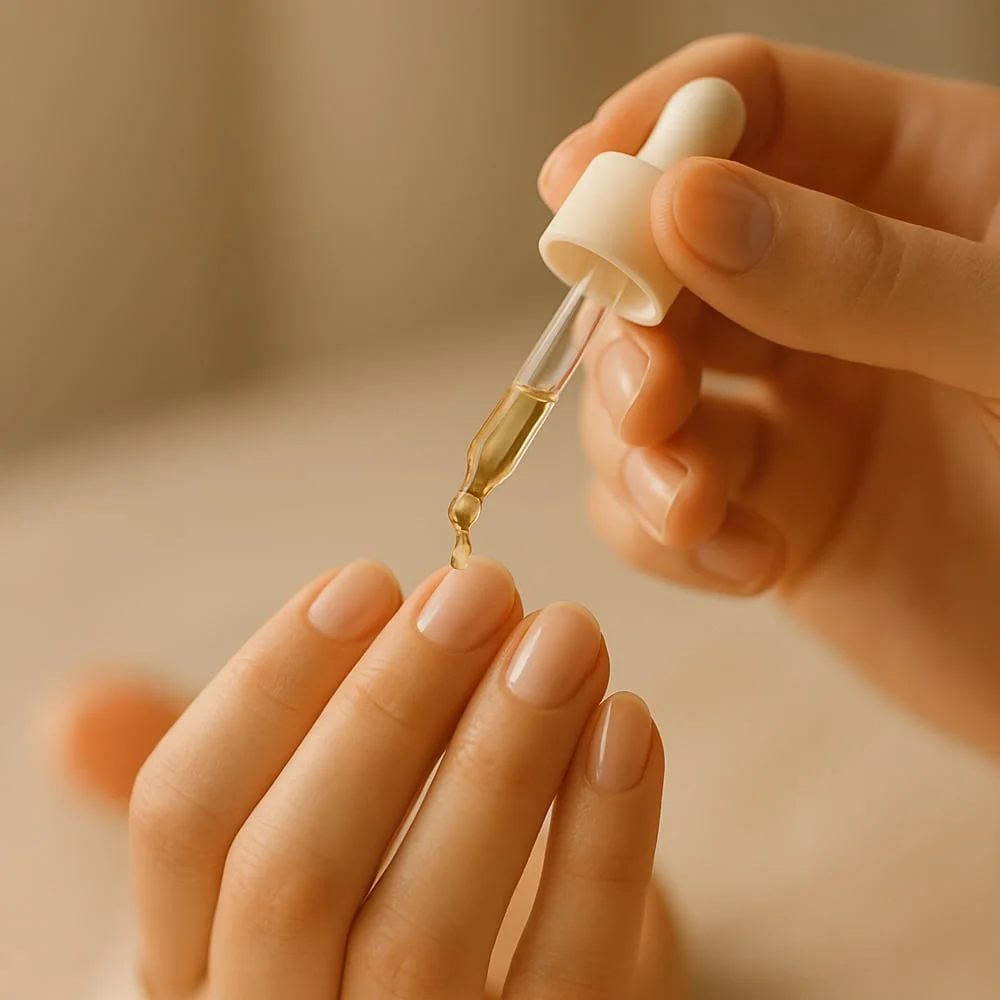
Dip is often the better choice for weak nails, because the layered powder adds a hard, protective shell that stops a thin nail from bending and breaking — many people with peeling nails find dip is the first system that lets them grow length. Gel is lighter and more flexible, which is gentler on a healthy nail, but it does not add the same armor, so a weak nail can still bend and snap underneath it.
Neither system fixes weak nails, and both can damage them if removed wrong. If your nails are peeling, splitting, or sore, give them two to four weeks of bare-nail care first — daily cuticle oil, a glass file, no enhancements — and then try dip for the protection. Our guide to strengthening weak nails covers the routine that rebuilds them.
How much do dip and gel manicures cost?
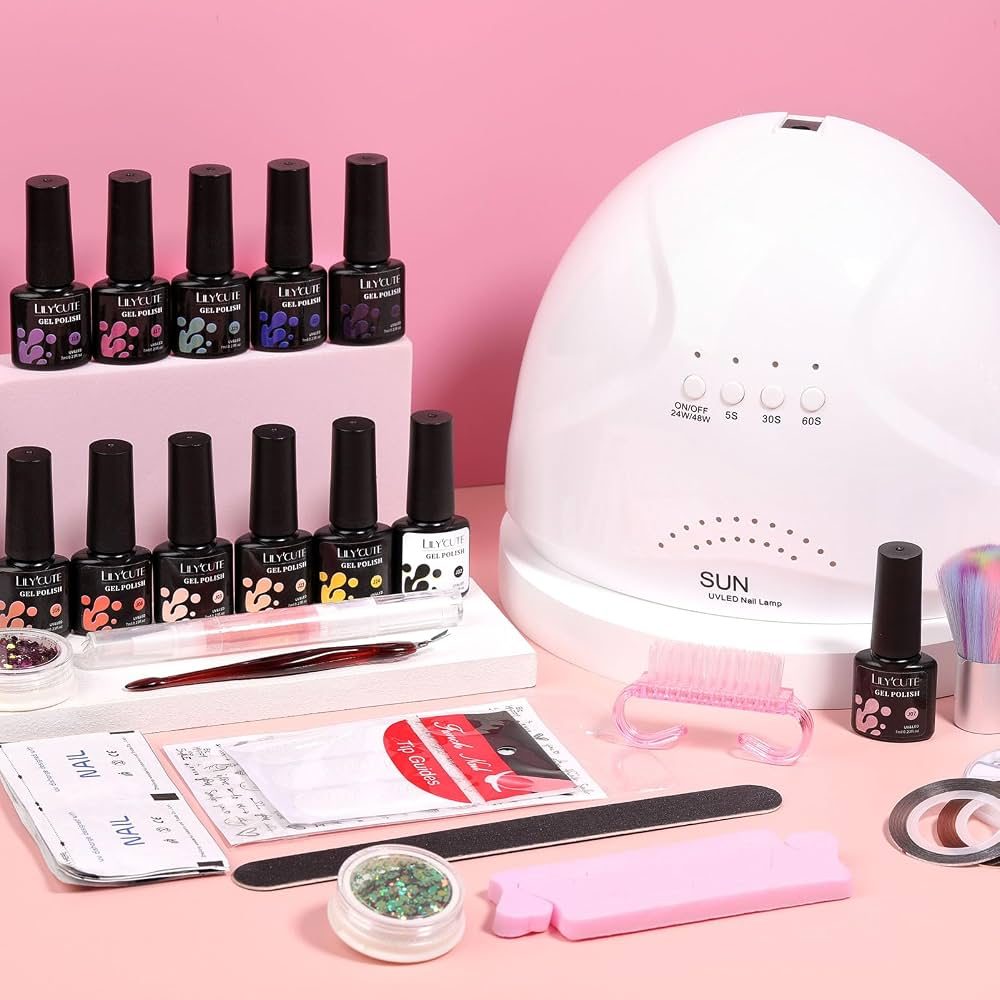
In the US, a salon dip manicure typically costs $40 to $55, and a gel manicure typically costs $35 to $50 — dip is usually a little more expensive because the application takes slightly longer and uses more product. Prices vary by city, salon, and extras: nail art, French tips, and extensions add $5 to $20 to either one. Both need a new set every two to four weeks, so the yearly cost is similar.
At home, gel is cheaper to start: a beginner gel kit with a lamp costs $30 to $60. Dip kits cost about the same, $30 to $50, and need no lamp — but dip is messier to learn, with powder everywhere and a learning curve on getting even layers. Over a year, the cheaper system is the one you can do well yourself; if you go to a salon for both, dip costs slightly more per visit but lasts a week longer.
How do you remove dip powder?
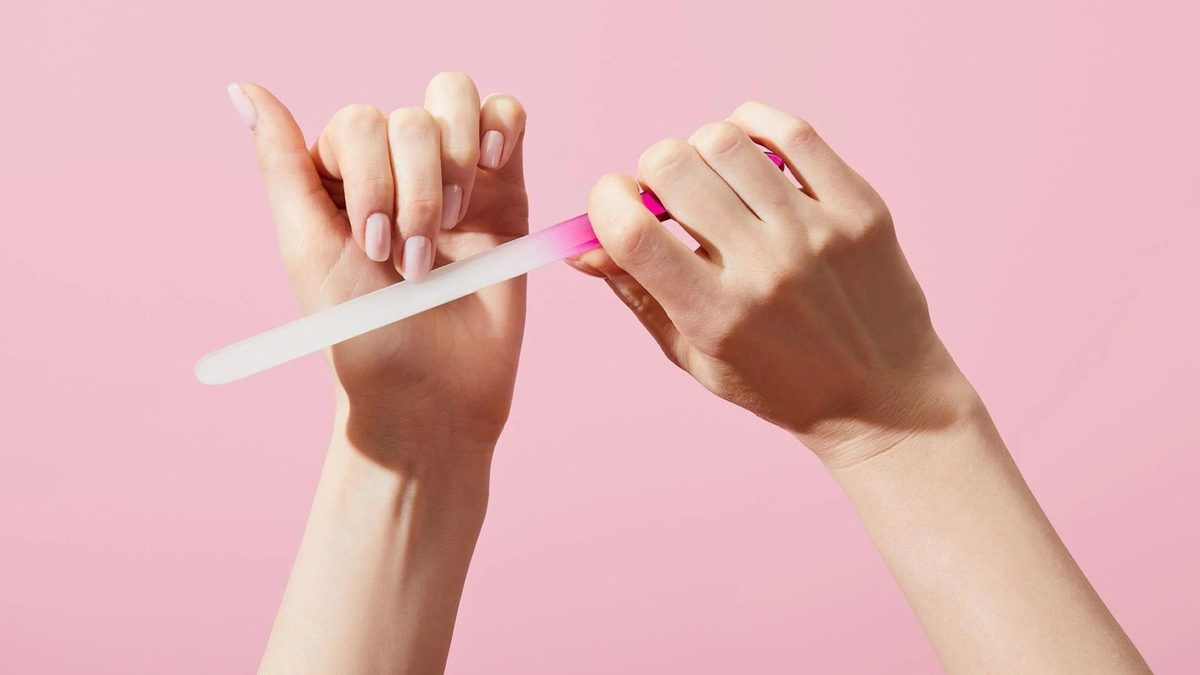
Dip is removed the same way as gel — by soaking in acetone — but it takes a little longer because the coating is thicker. First file the shiny top layer off so the acetone can reach the powder, then soak cotton balls in acetone, wrap each nail in foil, and wait 15 to 20 minutes until the layers soften and crumble. Gently push the softened dip off with an orangewood stick, re-soaking anything that resists instead of forcing it.
Never peel dip off: the powder layers bond tightly to the nail, and peeling lifts the top layers of your natural nail with them — that is the most common cause of thinning after dip. If you remove gel at home, the steps are nearly identical and faster, as our gel nail polish removal guide explains; dip just needs a longer soak.
Which should you choose, dip or gel?
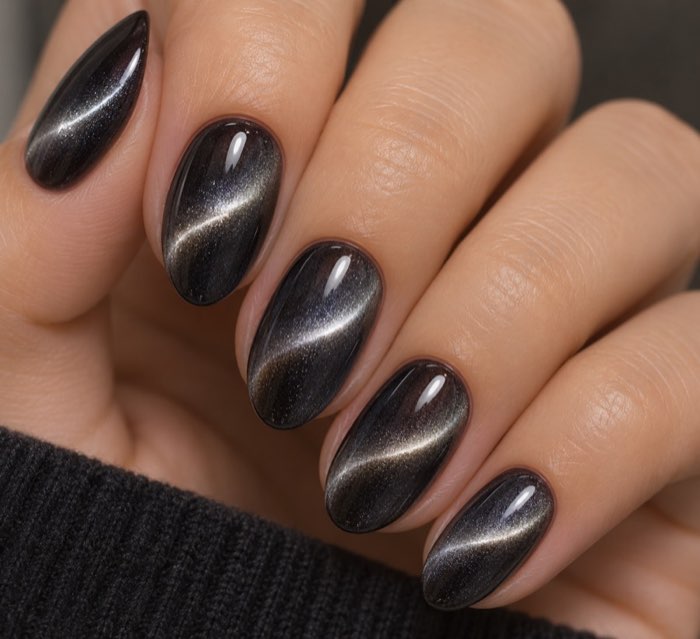
Choose dip if you want the longest wear, the hardest finish, rich solid colors, and no UV lamp — and if your nails are weak and need the protection of a thicker coating. Choose gel if you want the glossiest finish, the easiest color changes, the most nail-art options, and the fastest removal — and if you want to do your nails at home, since gel kits are the most beginner-friendly.
If you are still unsure, try one of each: get a dip set, wear it for three weeks, then try gel for the next set and compare how your nails feel and how the wear holds up on your hands. Your nails, your work, and your habits decide the winner — not the salon's menu.
Can you use dip powder and gel together?
Yes, and many salons do. The most common combination is a dip base with a gel top coat: the dip layers give strength and durability, and the gel top coat adds the high-gloss shine that dip alone does not quite match. Gel color can also be painted over a cured dip base for nail art that dip powder cannot do on its own.
The combination removes like dip — file the top layer, soak in acetone, wait for the layers to soften — so it takes the longer dip removal time. Ask your technician which combination they use and how it comes off before you book it, so the removal does not surprise you.
How do you care for dip or gel nails?
Care is the same for both: keep your hands and cuticles oiled every day, wear gloves for wet work and cleaning, never use your nails as tools, and never peel or pick at a lifting edge. Oil matters most — a drop of cuticle oil massaged into each nail morning and night keeps the natural nail underneath flexible, so the coating bends with it instead of cracking away from it.
Book your next appointment before the set starts lifting: two to three weeks for gel, three to four for dip. A set maintained on schedule lasts longer and damages the natural nail less than a set left until it lifts and then peeled off. Our nail care guide covers the full daily routine for nails with enhancements.
Frequently asked questions
Which lasts longer, dip powder or gel nails?
Dip powder lasts longer: three to four weeks against two to three weeks for gel. The layered powder builds a harder, thicker coating that resists chipping and bending better. Gel wears faster at the tips, especially on hands that type or clean a lot.
Is dip powder safer than gel nails?
Dip avoids UV light, which gel needs, but neither is risk-free: dip can spread bacteria if many clients dip into the same powder jar, so a good salon pours the powder instead. Both are safe when applied and removed properly — most damage comes from peeling a set off, not from the product itself.
Does dip powder need a UV lamp?
No. Dip powder hardens with an activator liquid, not light, so there is no lamp and no UV exposure at all. Gel polish is the one that needs a UV or LED lamp, 30 to 60 seconds per layer.
Can you do dip powder nails at home?
Yes, but it is messier to learn than gel: the powder goes everywhere, even layers take practice, and you need a base, activator, and top coat as well as the powder. A dip kit costs $30 to $50. Most beginners find gel kits easier, since gel paints on like regular polish.
Why does dip powder lift or crack?
Lifting usually means the prep was incomplete — oil or moisture left on the nail, or the surface not buffed enough for the base to grip. Cracking usually means the layers were too thin or too thick, or the activator was not applied evenly. Both are fixed by better prep and even layers, not by adding more powder.
Can you paint regular polish over dip powder?
Yes. Regular polish sits fine on top of a sealed dip set, and you can remove it with a non-acetone remover without harming the dip underneath. Use acetone-free remover for touch-ups: acetone remover will soften and dull the dip coating.
Is dip powder bad for your nails?
Dip itself is not bad for nails — it is colored acrylic, and it protects a weak nail while it grows. The damage comes from removal: peeling dip off lifts layers of the natural nail, and over-filing the surface thins it. Soak it off properly and your nails come out fine.
Conclusion
Dip powder and gel both beat regular polish by weeks — the right one depends on what you value most. Dip lasts longer, feels harder, needs no UV lamp, and protects weak nails, which makes it the better choice for durability. Gel is glossier, more versatile for color and art, and easier to change and remove, which makes it the better choice for variety. Whichever you pick, the care is the same: daily oil, gloves for wet work, no peeling — and a proper acetone soak when the set is done.
Sources and verification
- FDA: Nail care products — U.S. Food & Drug Administration nail-care guidance.
- FDA: Using cosmetics safely — FDA cosmetic safety guidance.
- American Academy of Dermatology: Healthy nail tips — everyday nail-care guidance.
- NHS: Nail problems — when to seek advice.
Related guides
Affiliate disclosure: Some links below are affiliate links. If you buy through one, Nail Art Inspo may earn a commission at no extra cost to you. That relationship does not change the comparison criteria. As an Amazon Associate, Nail Art Inspo earns from qualifying purchases.